






What's Happening?
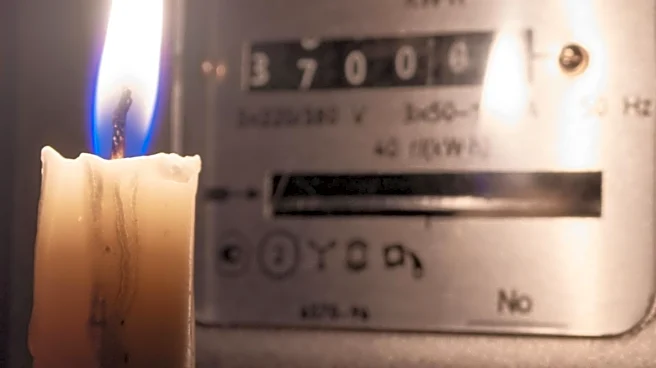
The Golden Valley Electric Association (GVEA) is urging its members, particularly those who rely on electrically powered medical devices, to develop emergency preparedness plans for power outages. GVEA acknowledges that power interruptions can pose significant
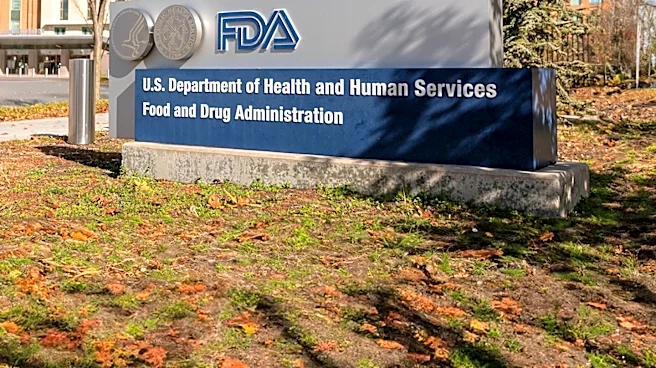
challenges for these households. While the utility's Energy Emergency Alert (EEA) program aims to provide advance notice of potential controlled outages, such notifications cannot be guaranteed for all power interruptions, especially those caused by unexpected events like weather or equipment failures. GVEA emphasizes that it cannot selectively exclude individual households from controlled outages based on medical equipment needs. The U.S. Food and Drug Administration (FDA) provides guidance for individuals using medical devices during emergencies, recommending understanding device backup power options, planning for alternative power sources like generators, checking for water before reconnecting equipment, and verifying device settings after power restoration.
Why It's Important?
This advisory from GVEA is crucial for ensuring the safety and well-being of its members in the U.S. who depend on electrically powered medical devices. The inability to guarantee advance notice for all power outages, coupled with GVEA's policy of not being able to exclude specific households from controlled outages, places a significant responsibility on individuals to proactively prepare. For patients relying on life-sustaining medical equipment, a sudden loss of power can be life-threatening. The FDA's recommendations provide a vital framework for preparedness, highlighting the need for backup power solutions and careful handling of devices during and after outages. This situation underscores a broader challenge in utility services across the U.S., where infrastructure vulnerabilities and increasing demands can lead to power interruptions, disproportionately affecting vulnerable populations. Effective communication and robust individual preparedness plans are essential to mitigate risks and ensure continuity of care for those with medical needs.
What's Next?
Members who rely on electrically powered medical equipment are strongly advised to consult with their healthcare providers or medical equipment suppliers to understand their device's specific power requirements, battery life, and appropriate backup options. Developing a comprehensive emergency plan that does not solely depend on advance notice from the utility is paramount. This includes arranging for alternative power sources, such as generators, and understanding safety precautions for their use. GVEA encourages members to update their contact information to receive any available Energy Emergency Alerts. Furthermore, GVEA notes that members dependent on medical equipment may qualify for payment extensions if facing disconnection due to unpaid balances, indicating a recognition of their unique circumstances. The ongoing need for utilities to balance grid stability with individual medical needs will likely lead to continued emphasis on community preparedness and individual responsibility.
Beyond the Headlines
The issue of power outages affecting medical device users extends beyond immediate safety concerns to broader questions of social equity and infrastructure resilience. As more individuals rely on home-based medical technologies, the reliability of the electrical grid becomes a critical public health concern. This situation highlights the need for robust community support systems, including local emergency services and healthcare providers, to assist vulnerable populations during power disruptions. It also prompts a discussion about potential policy interventions, such as subsidies for backup power solutions or specialized support programs for medical device users. The FDA's involvement in providing guidance underscores the intersection of public health, technology, and utility services. Ultimately, ensuring that all citizens, regardless of their medical needs, have access to reliable power is a complex challenge that requires coordinated efforts from individuals, healthcare systems, utility companies, and government agencies.