




What's Happening?
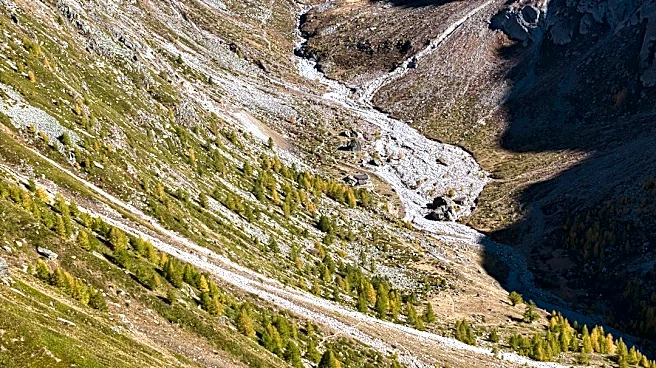
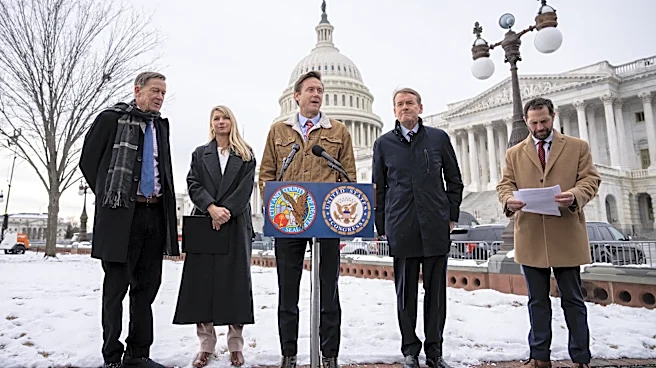
U.S. Senators John Hickenlooper and Michael Bennet, accompanied by U.S. Representative Jeff Hurd, visited Rio Grande and Mineral counties in Colorado to survey the extensive damage caused by recent flooding. The congressional delegation toured the impacted
areas and received a briefing from the Southwest Incident Management Team, local emergency responders, and agency officials. The briefing detailed widespread damage to homes, businesses, roads, bridges, dams, and public lands. A significant concern highlighted was the prolonged closure of U.S. Highway 160 over Wolf Creek Pass, which has sustained considerable damage, with repair operations currently underway.
Why It's Important?
The visit by Senators Hickenlooper and Bennet underscores the federal government's attention to natural disaster recovery efforts in Colorado. The damage to U.S. Highway 160 is particularly critical, as officials warned that sustained closures could lead to severe economic setbacks for the region, especially impacting the vital winter tourism season and access to the Wolf Creek Ski Area. This situation highlights the vulnerability of local economies to infrastructure damage caused by natural disasters and the need for swift and effective federal and state coordination in disaster response and recovery. The involvement of congressional representatives can help expedite federal aid and resources for reconstruction.
What's Next?
The immediate next steps involve continued repair operations on U.S. Highway 160 and ongoing assessment of the full extent of the flood damage. The congressional visit is likely to be followed by efforts to secure federal funding and support for the affected communities and infrastructure. Local and state agencies will continue to work with federal partners to implement recovery plans, which will include rebuilding damaged homes and businesses, repairing roads and bridges, and restoring public lands. The focus will be on mitigating the economic impact, particularly on the tourism sector, and ensuring the long-term resilience of the region against future natural disasters.
Beyond the Headlines
This event highlights the increasing frequency and intensity of natural disasters, which pose significant challenges to infrastructure and local economies across the U.S. The economic reliance of areas like South Fork on tourism makes them particularly susceptible to disruptions caused by events such as flooding. The need for robust infrastructure, effective emergency response systems, and comprehensive disaster preparedness strategies becomes paramount. Furthermore, the incident may prompt discussions on climate resilience and the allocation of resources for preventative measures and rapid recovery in vulnerable regions, emphasizing the interconnectedness of environmental factors, infrastructure, and economic stability.