


What's Happening?
Chicago is bracing for another day of high temperatures, as Meteorologist Davide Yeomans has issued a First Alert Weather update. The city is expected to experience continued hot weather conditions throughout Wednesday. This alert indicates that residents
should prepare for significant heat, which could impact daily activities and public health. The specific details of the temperature forecasts and any associated advisories, such as heat indexes or potential for heat-related illnesses, are being tracked by Yeomans and communicated to the public. The ongoing hot weather pattern suggests a sustained period of elevated temperatures for the region, prompting meteorologists to keep the public informed about potential risks and necessary precautions.
Why It's Important?
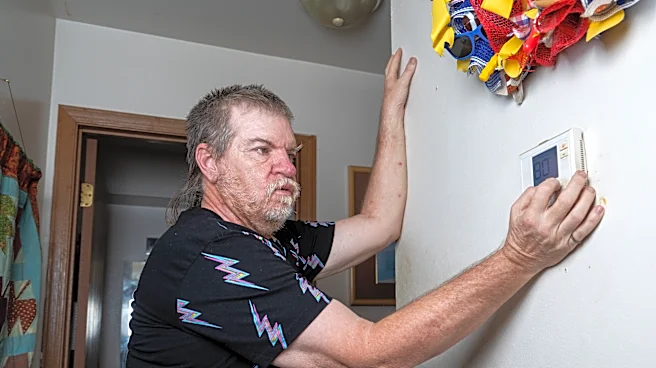
The continuation of hot weather in Chicago carries significant implications for public health, infrastructure, and daily life. Prolonged periods of high temperatures can lead to increased risks of heatstroke, dehydration, and other heat-related illnesses, particularly for vulnerable populations such as the elderly, young children, and individuals with pre-existing health conditions. This necessitates public awareness campaigns and the potential activation of cooling centers by city officials. Economically, sustained heat can impact various sectors; for instance, increased energy consumption for air conditioning can strain the power grid and lead to higher utility costs for residents and businesses. Furthermore, outdoor work and activities may be disrupted, affecting productivity and local commerce. The First Alert Weather update serves as a critical warning, allowing individuals and institutions to take proactive measures to mitigate the adverse effects of the heat.
What's Next?
Following Meteorologist Davide Yeomans' First Alert Weather update, Chicago residents should anticipate continued advisories and recommendations from local authorities regarding heat safety. This will likely include guidance on staying hydrated, seeking shade, and limiting strenuous outdoor activities during peak heat hours. City services may implement measures such as extending hours for public cooling centers or increasing outreach to vulnerable populations. Emergency services will also be on heightened alert for heat-related incidents. The meteorological team will continue to monitor weather patterns closely, providing updated forecasts and alerts as conditions evolve. Depending on the severity and duration of the heatwave, there could be further public health announcements or adjustments to city operations to ensure public safety and well-being.
Beyond the Headlines
The recurring pattern of hot weather in Chicago, as highlighted by the First Alert Weather, points to broader discussions around climate trends and urban planning. Such events underscore the increasing importance of resilient infrastructure, including green spaces and reflective surfaces, to combat the urban heat island effect. From a public policy perspective, it emphasizes the need for robust public health strategies to manage heatwaves, including accessible cooling resources and effective communication channels. Culturally, it influences daily routines and community interactions, as people adapt to extreme weather conditions. The long-term implications extend to how cities like Chicago will need to evolve their infrastructure and public services to ensure habitability and quality of life in the face of changing climate patterns, making heat preparedness a critical component of future urban development and public health initiatives.