


What's Happening?
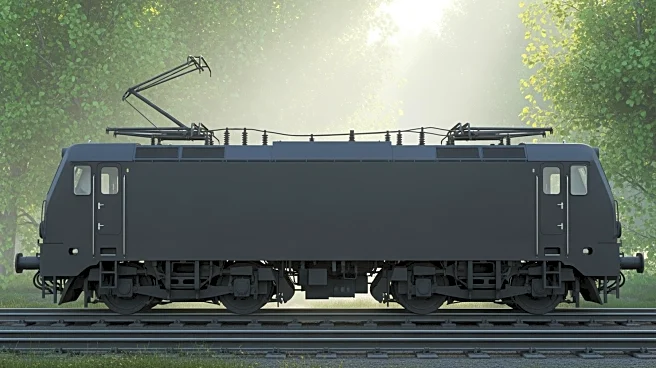
Australia has introduced the world's most powerful electric locomotives, manufactured by Progress Rail for Fortescue, to revolutionize industrial mobility in the mining sector. These locomotives, equipped with 14.5 MWh batteries, are used to transport
iron ore, significantly reducing diesel consumption by about one million liters annually. The locomotives feature regenerative braking systems that recover up to 60% of energy during operations. This initiative is part of Fortescue's plan to achieve zero operational emissions in the Pilbara region by the end of the decade. The deployment of these locomotives marks a significant step in decarbonizing one of the most energy-intensive industries.
Why It's Important?
The introduction of electric locomotives in the mining industry represents a major advancement in reducing carbon emissions and promoting sustainable industrial practices. By replacing diesel-powered locomotives, the mining sector can significantly lower its carbon footprint, contributing to global efforts to combat climate change. This development also highlights the potential for electrification in other heavy industries, setting a precedent for similar initiatives worldwide. The use of renewable energy to power these locomotives further enhances their environmental benefits, showcasing a practical approach to achieving sustainability goals.
What's Next?
As the electric locomotives begin operations, their performance will be closely monitored to assess their impact on emissions and operational efficiency. If successful, this model could be replicated in other regions and industries, accelerating the transition to sustainable transportation solutions. The mining sector, along with other heavy industries, may increasingly adopt electric solutions, supported by advancements in battery technology and renewable energy integration. This shift could lead to broader changes in industrial practices, promoting a more sustainable and environmentally friendly approach to resource extraction and logistics.