




What's Happening?
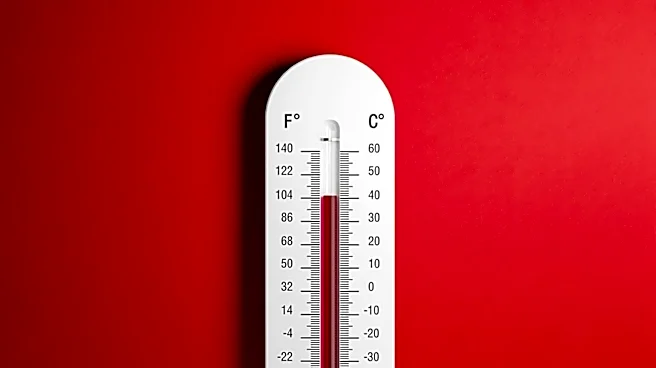
A heat advisory has been issued for northern and central Cook County, along with DuPage, DeKalb, Lake, Kane, Boone, Ogle, Winnebago, McHenry, and Lee counties in Illinois. The advisory is in effect from noon Wednesday until 9 p.m., with expected heat index
values ranging from 100 to 105 degrees. Weather officials have warned that these high temperatures and humidity levels pose a risk of heat-related illnesses. Residents are advised to take precautions, such as wearing lightweight and loose clothing, and limiting strenuous outdoor activities to the early morning or evening hours. Current morning conditions at Midway Airport and O’Hare International Airport reported mostly cloudy skies with temperatures around 86 degrees. The forecast also includes a 30% chance of thunderstorms on Wednesday night, with temperatures dropping to the mid-70s. Thursday has a 40% chance of storms, increasing overnight with temperatures in the high 80s. Friday is expected to see temperatures in the low 80s with a 50% chance of thunderstorms.
Why It's Important?
This heat advisory is significant for public health and safety across a wide region of Illinois, impacting numerous counties and a large population. The elevated heat index values of up to 105 degrees can lead to serious health complications, including heat stroke and heat exhaustion, particularly for vulnerable populations such as the elderly, young children, and individuals with pre-existing health conditions. The need for residents to alter daily routines and take precautions highlights the immediate public health challenge. Economically, prolonged extreme heat can affect outdoor labor productivity and increase energy consumption due to higher demand for air conditioning, potentially straining local power grids. The combination of high temperatures and potential thunderstorms also introduces risks of power outages and localized flooding, further disrupting daily life and local infrastructure. The advisory underscores the importance of public awareness and preparedness for extreme weather events.
What's Next?
Residents in the affected Illinois counties are advised to continue monitoring weather updates and adhere to safety guidelines issued by local authorities. The heat advisory is set to expire at 9 p.m. on Wednesday, but high temperatures are expected to persist through the week, with chances of thunderstorms increasing. Emergency services and healthcare providers will likely remain on alert for heat-related incidents. Local utility companies may also prepare for increased demand on the power grid. Public health campaigns may continue to emphasize hydration and seeking cool environments. The fluctuating weather patterns, including potential thunderstorms, suggest that residents should also be prepared for possible disruptions such as power outages or localized flooding in the coming days. Businesses that rely on outdoor operations may need to adjust schedules or implement heat safety protocols for their employees.
Beyond the Headlines
The recurring issuance of heat advisories in the Chicago area and surrounding counties points to broader implications regarding climate patterns and urban infrastructure resilience. Such extreme weather events can exacerbate existing social inequalities, as access to air conditioning and cool spaces may vary significantly across different socioeconomic groups. This situation also highlights the strain on public health systems and emergency services, which must be adequately prepared to handle increased demand during heatwaves. Long-term, these events could prompt further discussions and investments in urban planning strategies, such as increasing green spaces, developing cooling centers, and improving energy efficiency in buildings to mitigate the urban heat island effect. The combination of heat and potential severe weather also underscores the complex challenges posed by changing climate conditions, requiring comprehensive adaptation and mitigation strategies at both local and regional levels.