






What's Happening?
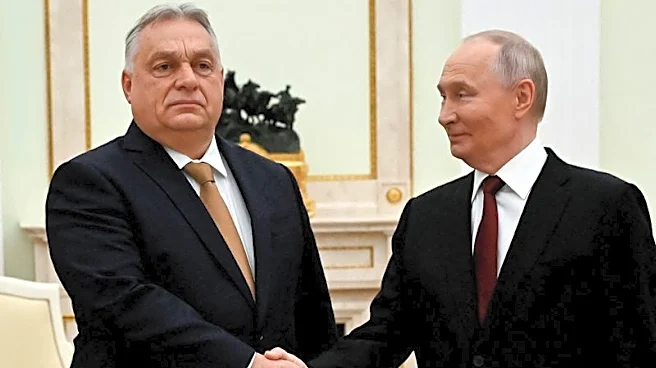
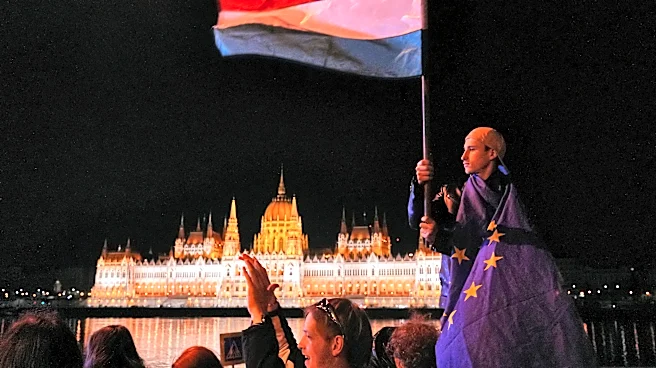
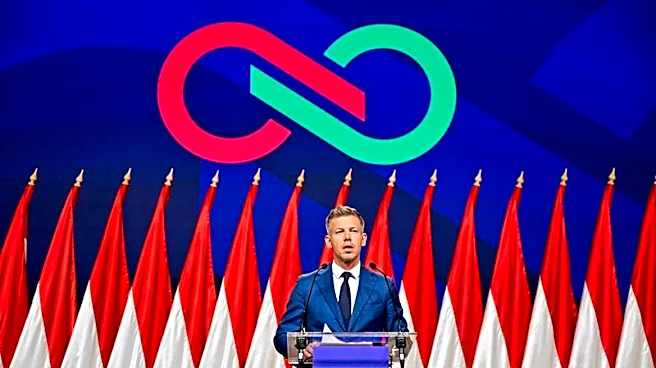
Peter Magyar, Hungary's newly elected leader, has pledged to reduce the country's reliance on Russian energy, marking a significant shift in Hungary's energy policy. Magyar's victory over Viktor Orbán, who had deepened Hungary's ties with Russia, signals
a potential realignment in Hungary's foreign policy. The transition away from Russian energy will be challenging due to Hungary's current infrastructure and economic dependencies. Magyar aims to diversify energy sources, including utilizing the Adria pipeline and the European energy grid, despite higher costs. The transition is expected to be gradual, with a target to eliminate Russian natural gas imports by 2035.
Why It's Important?
Magyar's commitment to reducing Russian energy dependence represents a strategic shift that could impact Hungary's economic and geopolitical landscape. The transition may lead to increased energy costs and require significant investment in infrastructure. Hungary's move could influence other EU countries to reconsider their energy policies, potentially reducing Russian influence in the region. The shift aligns with broader EU goals to decrease reliance on Russian energy, but it also poses economic challenges for Hungary, which will need to negotiate for EU support and funding.
What's Next?
Hungary will likely engage in negotiations with the EU to secure structural funds to support the energy transition. Magyar's government will need to balance economic constraints with the strategic goal of reducing Russian influence. The transition may involve complex diplomatic and economic negotiations, as Hungary seeks to align with EU energy policies while managing domestic economic impacts. The success of this transition will depend on Hungary's ability to secure alternative energy sources and financial support from the EU.