



What's Happening?
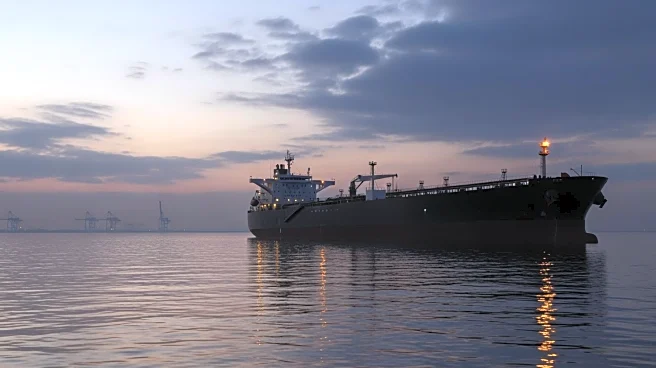
Ukraine has reportedly targeted several Russian oil tankers operating off the coasts of Turkey and West Africa. These actions are part of Ukraine's efforts to disrupt Russia's 'shadow fleet,' which is used to circumvent international sanctions and continue
oil sales. Ukrainian intelligence agencies have claimed responsibility for these attacks, which have occurred outside Russian territorial waters. The targeted vessels are accused of violating bans on Russian oil sales and engaging in risky ship-to-ship crude oil transfers. The Ukrainian Security Service (SBU) has been actively working to undermine Russia's financial capabilities to fund its war efforts against Ukraine.
Why It's Important?
The targeting of Russian oil tankers by Ukraine highlights the ongoing geopolitical tensions and the impact of international sanctions on Russia's economy. By disrupting these oil shipments, Ukraine aims to weaken Russia's financial resources, which are crucial for sustaining its military operations. This development also underscores the challenges faced by international bodies in enforcing sanctions and the complexities of maritime trade in conflict zones. The actions taken by Ukraine could lead to increased scrutiny and enforcement measures by European and U.S. authorities against vessels suspected of aiding Russia's sanction evasion.
What's Next?
The situation may lead to heightened tensions between Russia and Ukraine, with potential retaliatory measures from Russia. European nations and the U.S. might intensify their efforts to monitor and intercept vessels involved in sanction evasion. Additionally, there could be increased diplomatic pressure on countries hosting these vessels to comply with international sanctions. The ongoing conflict and these maritime incidents may also influence future negotiations and peace talks between the involved parties.