


What's Happening?
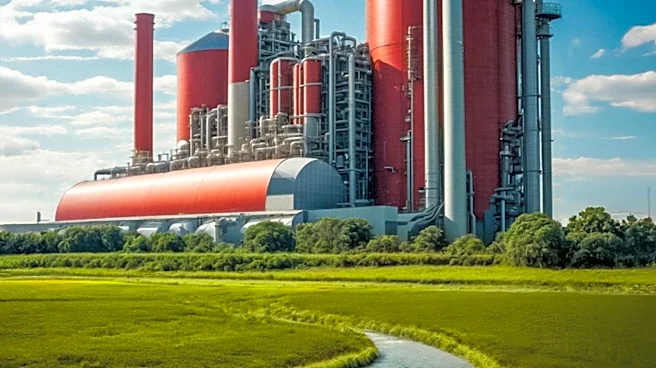
A family in Northern Kentucky has turned down a $26 million offer from an unnamed AI company to purchase part of their farmland for a data center. The Huddleston family, who have owned and farmed the land for generations, declined the offer despite its
significant financial value. The AI company sought to acquire approximately half of the 1,200-acre property, offering nearly ten times the local land value. The family emphasized their commitment to preserving their land and its agricultural legacy, citing concerns over the environmental impact of data centers, such as increased electricity and water usage.
Why It's Important?
This decision highlights the growing tension between technological expansion and agricultural preservation. As AI companies seek to build more data centers to support their operations, they often target large tracts of land, which can disrupt local communities and ecosystems. The Huddleston family's refusal underscores the importance of maintaining agricultural land and the potential negative impacts of data centers on local resources. This case reflects broader societal debates about land use, environmental sustainability, and the balance between technological progress and traditional livelihoods.
What's Next?
While the Huddleston family remains firm in their decision, the AI company is likely to continue seeking land in the area, potentially impacting other local landowners. The situation may prompt discussions among community members and local governments about land use policies and the regulation of data center developments. As the demand for data centers grows, similar conflicts may arise in other regions, necessitating a careful consideration of environmental and community impacts.