







What's Happening?
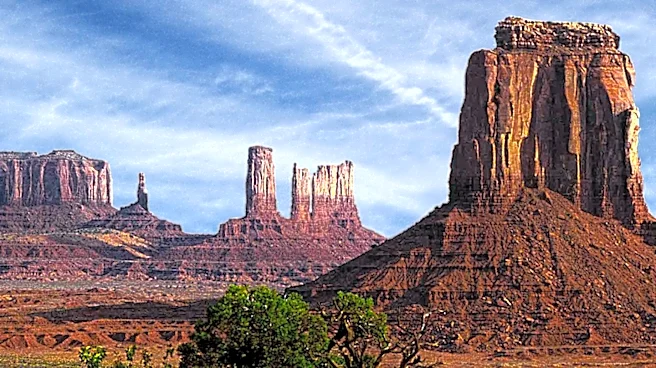
Following President Trump's significant reductions to Bears Ears and Grand Staircase-Escalante national monuments, attention has turned to other protected areas that might face similar actions. The reductions, which decreased the size of these monuments by
about 90%, have sparked controversy and concern among conservationists and tribal leaders. The move is part of a broader strategy to open up lands for multiple uses, including resource development. Other monuments, such as Cascade-Siskiyou and Organ Mountains-Desert Peaks, have been identified as potential targets for boundary revisions or reductions. These areas are valued for their ecological, cultural, and historical significance, and any changes could have lasting impacts on their preservation.
Why It's Important?
The potential for further reductions in national monument protections raises significant concerns about the future of public lands in the United States. These areas are not only important for conservation and cultural heritage but also play a role in tourism and local economies. The shift towards prioritizing resource development over preservation could lead to increased environmental degradation and loss of biodiversity. The controversy also highlights the ongoing debate over federal land management policies and the balance between economic interests and environmental stewardship. The decisions made regarding these monuments could set precedents for future land use policies and conservation efforts.
Beyond the Headlines
The reduction of national monuments touches on deeper issues of indigenous rights and the role of federal government in land management. Many of these lands hold cultural and spiritual significance for Native American tribes, and changes to their status could undermine tribal sovereignty and heritage. The legal and ethical implications of altering monument boundaries without comprehensive consultation with affected communities are significant. Additionally, the potential for increased resource extraction raises questions about long-term environmental sustainability and the impact on climate change. These developments could influence public opinion and policy discussions on environmental protection and indigenous rights.