






What's Happening?
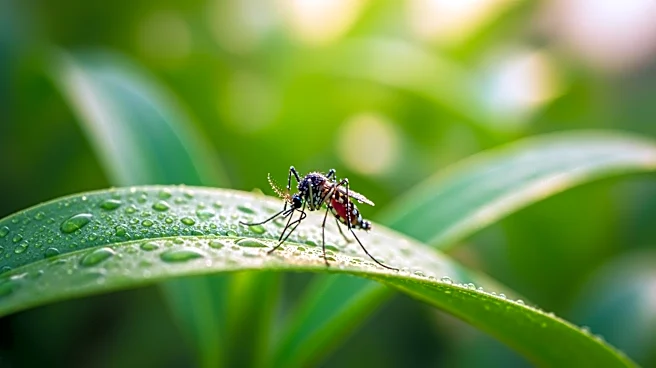
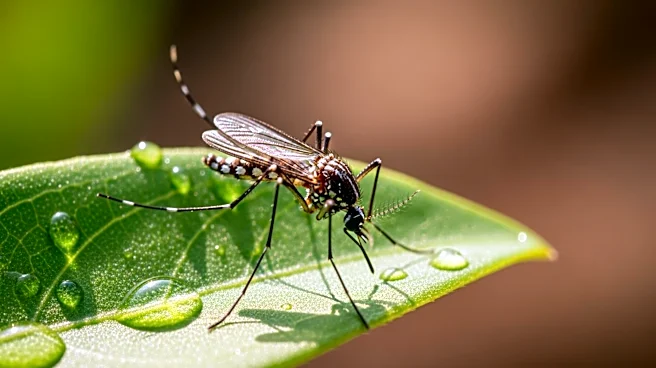
Recent research has shed light on why mosquitoes are more attracted to certain individuals than others. According to a study published in the Journal of Medical Entomology, mosquitoes tend to land on people with blood Type O nearly twice as often as those
with Type A. This preference is linked to secretions that indicate a person's blood type. Additionally, factors such as carbon dioxide production, body heat, and lactic acid release play significant roles in attracting mosquitoes. People with higher metabolic rates, those who exercise frequently, or consume alcohol are more likely to attract these insects. The study also notes that wearing dark clothing can make individuals more visible to mosquitoes, increasing the likelihood of bites.
Why It's Important?
Understanding the factors that attract mosquitoes is crucial for public health, especially in areas where mosquito-borne diseases are prevalent. By identifying these factors, individuals can take preventive measures to reduce the risk of bites and potential disease transmission. This research is particularly relevant for outdoor enthusiasts and those living in mosquito-prone regions. The findings can inform public health strategies and personal practices to minimize mosquito exposure, thereby reducing the incidence of diseases such as West Nile virus and Zika. The study also highlights the importance of using effective repellents like DEET, which has been deemed safe by the Environmental Protection Agency for normal use, including by children and pregnant women.
What's Next?
As the research continues, further studies may explore additional factors influencing mosquito attraction and develop more targeted prevention strategies. Public health campaigns could leverage these findings to educate communities about effective mosquito bite prevention, particularly in high-risk areas. Innovations in repellent technology and clothing designed to deter mosquitoes may also emerge, providing more options for individuals seeking protection. Additionally, ongoing research may lead to new insights into mosquito behavior and biology, potentially informing broader efforts to control mosquito populations and reduce the spread of mosquito-borne diseases.
Beyond the Headlines
The implications of this research extend beyond immediate health concerns, touching on broader environmental and societal issues. As climate change alters habitats and extends the range of mosquitoes, understanding attraction factors becomes increasingly important. This knowledge can aid in predicting and managing the spread of mosquito-borne diseases in new regions. Furthermore, the study underscores the intersection of lifestyle choices and health, encouraging individuals to consider how daily activities, such as exercise and alcohol consumption, may impact their vulnerability to mosquito bites.