


What's Happening?
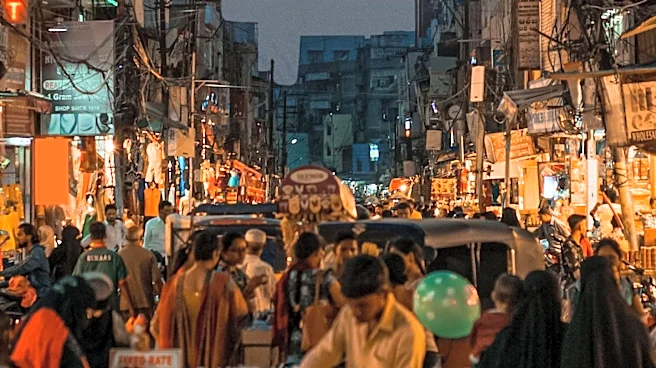
A bustling binational market continues to operate daily at the Jimaní border crossing between the Dominican Republic and Haiti, despite the escalating crisis and violence in Haiti. Every morning at 8:00 AM, a metal gate opens, allowing thousands of people
to engage in commerce. On the Haitian side, officers from the Land Border Police (Polifront) facilitate the flow of crowds into a 100-meter stretch known as “No Man’s Land” before the official Dominican border, where armed military personnel monitor movements with security cameras. Haitian vendors, many of them women, bring modest harvests of produce like plantains, pineapples, and onions, often undersized due to a lack of fertilizer. Dominican vendors offer manufactured goods, chicken eggs, and dried fish. Haitian Prime Minister Alix Didier Fils-Aimé recently visited Kenscoff, an agricultural district southwest of Port-au-Prince, to distribute fertilizer, seeds, and farming tools to boost economic recovery in an area affected by gang violence.
Why It's Important?
This binational market serves as a critical lifeline for Haitians seeking essential goods that are largely unavailable in their own country, which is grappling with severe political, economic, social, and security crises. The Dominican Republic, with a per capita GDP nearly five times that of Haiti, dominates this market, highlighting the significant economic disparity between the two nations. The continued operation of the market, despite the turmoil in Haiti, underscores its importance for regional stability and the livelihoods of thousands. The reliance on the Dominican market also illustrates the profound challenges facing Haiti's domestic economy and its citizens' struggle to access basic necessities. The market's resilience in the face of widespread instability demonstrates the powerful human drive for commerce and survival.
What's Next?
The market is expected to continue its daily operations, providing a crucial economic outlet for both Dominican and Haitian citizens. The Dominican military will likely maintain its heightened security presence at the border to ensure the market's continued function and to manage the flow of people and goods. Haitian Prime Minister Alix Didier Fils-Aimé's efforts to support agricultural recovery in areas like Kenscoff suggest a focus on internal economic stabilization, which, if successful, could eventually reduce Haiti's reliance on cross-border trade for basic foodstuffs. However, given the ongoing instability and gang control in Port-au-Prince, the demand for goods from the binational market is likely to remain high in the foreseeable future.
Beyond the Headlines
The enduring activity at the Jimaní market reveals a complex interplay of economic necessity, cross-border relations, and the human capacity to adapt amidst profound adversity. The market's existence highlights the stark contrast in living conditions and economic opportunities between the Dominican Republic and Haiti. It also raises questions about the long-term implications of such economic dependence for Haiti's sovereignty and development. The use of both Dominican pesos and US dollars, with the Haitian gourde rarely used, further illustrates the economic imbalance and the challenges facing Haiti's national currency. The market, while a symbol of resilience, also serves as a poignant reminder of the deep-seated issues that continue to plague Haiti and its people.