




What's Happening?
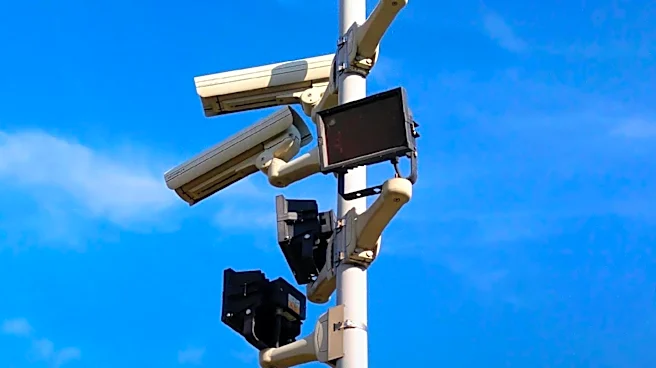
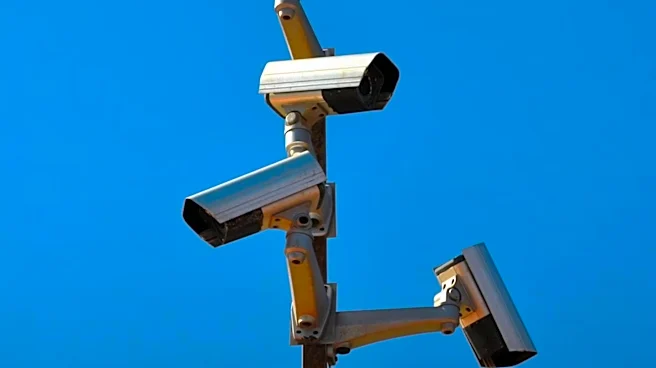
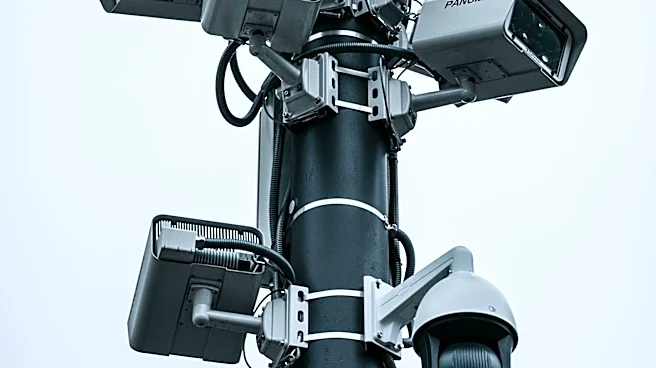
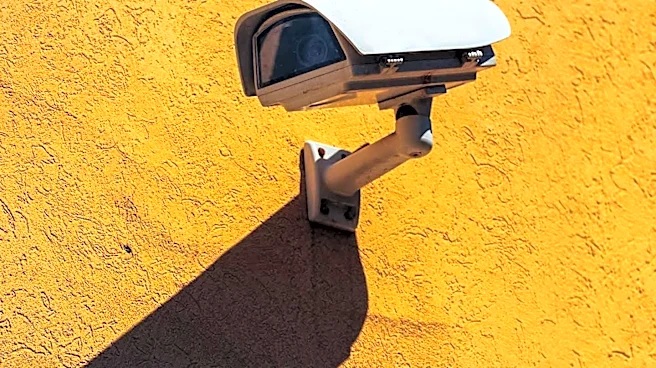
The Navajo Nation has partnered with Flock Safety to deploy automatic license plate reader cameras across its 27,000-square-mile reservation. This initiative aims to enhance law enforcement capabilities in one of the country's most remote and underserved
regions. However, the use of surveillance technology has sparked privacy concerns, particularly in Arizona, where some cities have already ended their contracts with Flock Safety. Despite the controversy, Navajo officials emphasize the cameras' role in addressing public safety challenges, such as drug smuggling and missing persons cases.
Why It's Important?
The deployment of Flock Safety's cameras in the Navajo Nation highlights the ongoing debate over the use of surveillance technology in law enforcement. While the technology offers significant benefits in terms of crime prevention and investigation, it also raises important questions about privacy and civil liberties. The outcome of this initiative could influence how other Indigenous communities and rural areas approach the use of surveillance technology, balancing the need for public safety with the protection of individual rights.
What's Next?
As the Navajo Nation implements this surveillance initiative, there may be increased calls for transparency and oversight to ensure that the technology is used responsibly. Lawmakers and advocacy groups could push for regulations to address privacy concerns and establish clear guidelines for data use and sharing. The success of this initiative may also prompt other communities to consider similar partnerships, potentially leading to broader adoption of surveillance technology in rural and underserved areas.