




What's Happening?
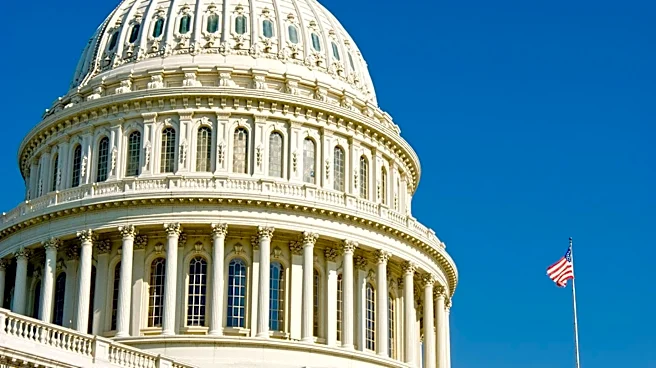
U.S. Senator Josh Hawley, R-Mo., has initiated an investigation into Flock Safety, a company operating a nationwide network of automated license plate reader cameras. As chairman of the Senate Judiciary Subcommittee on Crime and Counterterrorism, Senator Hawley has formally
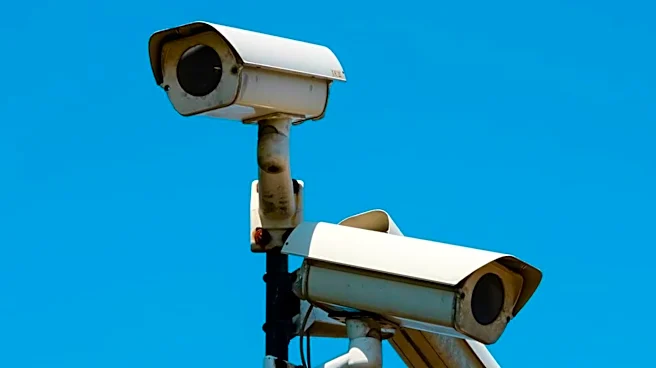
requested information from Flock Safety CEO Garrett Langley regarding the safeguards in place to protect American citizens' data. The investigation stems from concerns over the company's extensive surveillance capabilities, which include over 120,000 cameras across 49 states, conducting more than 20 billion vehicle scans monthly. Senator Hawley highlighted instances of alleged misuse, citing a St. Charles County police officer who reportedly used Flock's system for personal searches, and similar allegations in Wisconsin, Florida, and California. He emphasized that the vast majority of individuals captured by these cameras have committed no wrongdoing, raising significant privacy concerns about the scale and scope of this national surveillance network.
Why It's Important?
This investigation is important because it addresses the growing tension between public safety and individual privacy rights in the digital age. Flock Safety's network, valued at $8.3 billion, represents a significant expansion of surveillance technology into everyday American life. The concerns raised by Senator Hawley underscore the potential for misuse of such powerful tools by law enforcement and other entities, leading to privacy violations and even false arrests, as suggested by a related story of a woman hiring an attorney after a Flock camera database error led to a gunpoint stop. The lack of explicit congressional authorization for such a widespread surveillance network means that the company's internal policies are currently the primary safeguards for American data. This situation highlights a critical gap in regulatory oversight for rapidly evolving surveillance technologies, impacting citizens' rights to privacy while driving, commuting, or engaging in daily activities.
What's Next?
Senator Hawley has requested that Flock Safety provide all relevant documents and statements by September 8. This deadline will likely lead to the disclosure of more details about the company's data handling practices, access protocols, and internal safeguards. The investigation could prompt further congressional action, especially given the bipartisan interest in the issue, with Senator Bernie Sanders of Vermont indicating plans to introduce legislation to address Flock and AI mass surveillance. State-level responses are also anticipated, as Florida Governor Ron DeSantis has called for legislation to combat the cameras, and cities like Tempe, Arizona, have already terminated their contracts with Flock Safety due to misuse concerns. The outcome of this investigation could set precedents for how private companies operating large-scale surveillance networks are regulated and held accountable in the U.S.
Beyond the Headlines
The investigation into Flock Safety delves into deeper ethical and legal implications concerning the balance between security and civil liberties. The deployment of AI-powered surveillance, which pools data into a national database, raises questions about the nature of consent and the expectation of privacy in public spaces. While Flock Safety emphasizes the technology's role in solving crimes and locating missing persons, the potential for mission creep and the creation of a pervasive surveillance state are significant concerns. The absence of a clear legal framework for such networks means that the internal policies of a private company largely dictate the extent of surveillance on American citizens. This situation could lead to a re-evaluation of existing privacy laws and the need for new legislation to address the challenges posed by advanced surveillance technologies, potentially shaping the future of digital rights and government oversight in the U.S.