







What's Happening?
A recent study involving 1,177 older adults, with a median age of 81, has found that women who closely adhered to the DASH (Dietary Approaches to Stop Hypertension) diet experienced a 76% lower relative risk of stroke compared to those who followed it less
closely. The study, which tracked participants for an average of 6.6 years, focused on individuals who had not previously experienced a stroke. While the DASH diet is well-known for its role in managing high blood pressure, a major risk factor for stroke, this research specifically investigated its potential to protect the brain. Interestingly, the study did not observe the same significant benefit in men. Researchers suggest that hormonal differences, health habits, and variations in how cardiovascular risk factors develop or are managed between sexes could explain this disparity, though the study was not designed to identify these specific reasons.
Why It's Important?
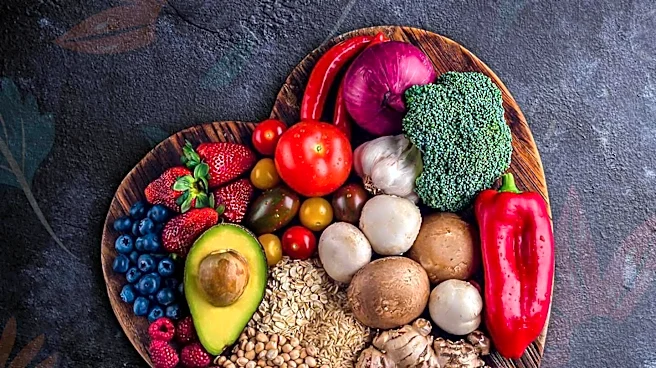
This finding is significant for public health, particularly for older women in the U.S., as it suggests a powerful, accessible dietary intervention for stroke prevention. Stroke is a leading cause of serious long-term disability and a major cause of death in the United States. The DASH diet, which emphasizes fruits, vegetables, whole grains, lean proteins, and low-fat dairy while limiting sodium and saturated fat, is a well-established and generally recommended eating pattern. If further research confirms this causal link, it could lead to more targeted dietary recommendations for women, potentially reducing healthcare burdens and improving quality of life. The observed sex-specific difference also highlights the importance of considering biological and lifestyle variations in health research and personalized medicine, indicating that 'one-size-fits-all' dietary advice may not always be optimal.
What's Next?
While this observational study provides a strong association, further clinical trials are needed to establish a definitive causal link between the DASH diet and reduced stroke risk in women. Researchers will likely investigate the underlying biological mechanisms that might explain the sex-specific differences observed, potentially exploring hormonal influences or metabolic pathways. Public health campaigns and healthcare providers may begin to emphasize the DASH diet more strongly for stroke prevention in women, even as more research is conducted. Individuals, particularly women, are encouraged to adopt DASH-friendly eating habits, such as increasing fruit and vegetable intake, choosing whole grains and lean proteins, and reducing sodium and saturated fat, as these practices are already known to support overall cardiovascular health.
Beyond the Headlines
The study's finding of a sex-specific benefit from the DASH diet opens up a broader discussion about gender differences in health and disease. It challenges the traditional approach of applying general health recommendations equally to men and women, suggesting that biological and physiological distinctions may necessitate tailored interventions. This could lead to increased research into sex-specific health outcomes across various conditions and treatments. Furthermore, the emphasis on diet as a preventative measure reinforces the growing understanding of lifestyle's profound impact on long-term health, potentially influencing insurance policies, food industry practices, and public health education to promote healthier eating patterns. The study also subtly highlights the complexity of health research, where observational findings, while valuable, require rigorous follow-up to establish causality and inform definitive medical advice.