



What's Happening?
U.S. Representative Steve Womack, alongside U.S. House Armed Services Committee Chairman Mike Rogers, recently toured the Grady E. Harvell Civil Engineering Research and Education Center at the University of Arkansas in Fayetteville. The visit focused
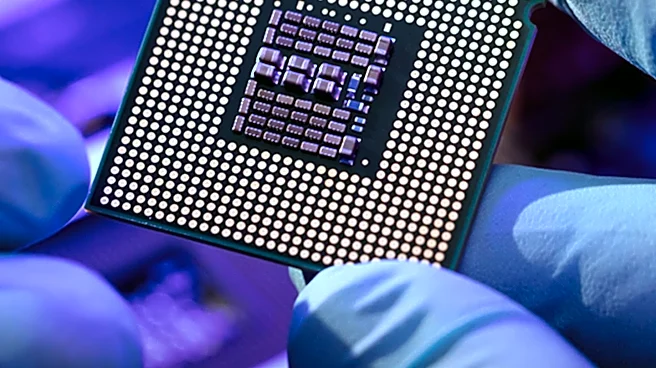
on the university's semiconductor research lab, highlighting its contributions to the defense industry. This tour was part of a broader series of visits to facilities within Arkansas' 3rd Congressional District that are relevant to defense and national security. During the tour, Micah Hale, chairman of the University of Arkansas Department of Engineering, provided insights into the ongoing research. The presence of Chairman Rogers underscores the national importance placed on such research for military applications and technological advancement.
Why It's Important?
This visit is significant as it underscores the critical role that academic institutions, like the University of Arkansas, play in supporting U.S. national security and defense capabilities. The focus on semiconductor research is particularly important given the global competition and strategic importance of this technology for military hardware, communications, and intelligence. By showcasing Arkansas' contributions, the tour aims to strengthen the state's position as a key player in the defense industrial base. Increased federal attention and potential funding for such research can lead to technological breakthroughs, create high-skilled jobs, and enhance the nation's ability to innovate and maintain a technological edge in defense. It also highlights the ongoing effort to integrate academic research with national defense priorities, ensuring a pipeline of innovation for future military needs.
What's Next?
The visit by Congressman Womack and Chairman Rogers could pave the way for increased federal investment and collaboration between the University of Arkansas and defense agencies. This heightened visibility may lead to new research grants, partnerships with defense contractors, and expanded educational programs to train a skilled workforce in critical areas like semiconductor technology. For the University of Arkansas, this could mean an enhanced reputation as a leading research institution in defense-related fields. For the broader defense industry, it signals a continued emphasis on domestic research and development to secure supply chains and foster innovation. Future legislative actions or appropriations related to defense spending may reflect the insights gained from such tours, potentially directing more resources towards similar university-led initiatives.
Beyond the Headlines
Beyond the immediate implications of potential funding and research, this event highlights a broader strategic shift towards strengthening domestic technological capabilities, particularly in critical sectors like semiconductors. The U.S. has recognized the vulnerabilities of relying on foreign supply chains for essential components, especially those with defense applications. By investing in university research and development, the nation aims to foster self-sufficiency and innovation, reducing geopolitical risks. This initiative also touches upon the ethical considerations of academic research being directly tied to military applications, prompting discussions about the balance between national security interests and the broader societal impact of scientific advancements. It also emphasizes the importance of STEM education in preparing the next generation of scientists and engineers for these vital fields.