







What's Happening?
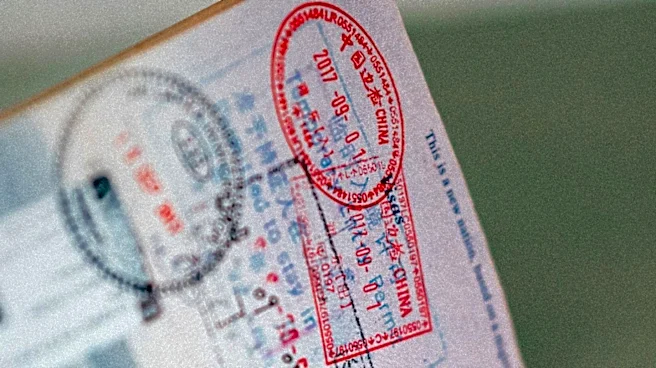
US citizens generally need a Chinese visa to visit Beijing for purposes such as tourism, business, or family visits. The most common visa issued to US applicants is a 10-year multiple-entry visa, which permits stays of up to 60 days per entry. However,
there is a significant exception for travelers utilizing China's 240-hour (10-day) visa-free transit program. This allows US citizens to stay in Beijing for up to 10 days without a visa if they are transiting through to a third country or region, provided they have a confirmed onward ticket. Both Beijing Capital (PEK) and Beijing Daxing (PKX) international airports are eligible entry points for this transit scheme. A round trip directly back to the US does not qualify for this visa-free transit. For those whose travel plans do not meet the transit rules, visa processing services are available, with typical processing times ranging from 6 to 8 business days.
Why It's Important?
This visa requirement and its transit exceptions are crucial for US citizens planning travel to Beijing, directly impacting their travel logistics and entry permissions. Understanding these regulations prevents potential travel disruptions, such as denied boarding or entry. The 10-year multiple-entry visa offers considerable flexibility for frequent travelers, fostering business and personal connections between the US and China. Conversely, the strict conditions for visa-free transit highlight China's controlled approach to international entry, balancing tourism and economic engagement with national security and immigration policies. For US businesses, these visa policies can influence decisions regarding employee travel and market access, while for individuals, they dictate the feasibility and planning of leisure or family visits. The need for advance visa application or adherence to transit rules underscores the importance of meticulous travel planning for US citizens heading to Beijing.
What's Next?
US citizens planning future travel to Beijing should continue to monitor Chinese visa policies, as regulations can be subject to change. Travelers who do not qualify for visa-free transit will need to apply for a visa well in advance of their intended travel dates, ensuring all required documentation is prepared. Those utilizing the visa-free transit option must ensure they have a confirmed onward ticket to a third country or region and understand the 240-hour time limit. Additionally, travelers should be aware of the specific entry and exit requirements at Beijing's international airports. As travel patterns evolve, there may be ongoing adjustments to visa processing times or requirements, necessitating travelers to consult official sources or visa service providers for the most current information before their trip.
Beyond the Headlines
The visa policies for US citizens traveling to Beijing reflect broader geopolitical dynamics and bilateral relations between the United States and China. While facilitating tourism and business, these regulations also serve as a tool for national sovereignty and control over borders. The emphasis on specific transit rules suggests a strategic approach to managing international traffic, potentially encouraging longer-haul travel through China while maintaining strict entry for those whose sole destination is China. Furthermore, the requirement for advance visa applications and the detailed conditions for visa-free entry underscore the importance of state control over individual movement, a common characteristic of many nations. For US travelers, navigating these rules also means engaging with China's digital payment ecosystem, as Beijing is largely cashless, requiring setup of apps like Alipay or WeChat Pay linked to US cards, which represents a significant cultural and technological adaptation for visitors.