
What's Happening?
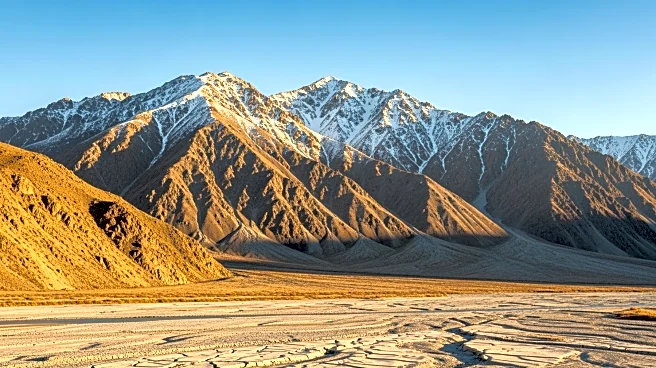
Colorado has experienced its lowest snowpack since record-keeping began in 1941, with snow accumulations peaking a month early and containing only half the average moisture. This development, confirmed by hydrologist Maureen Gutsch of the U.S. Department
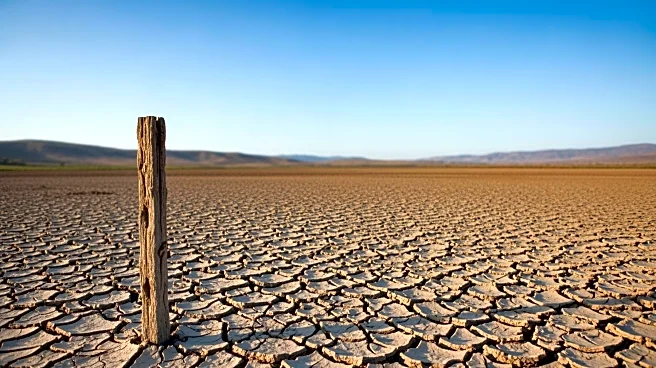
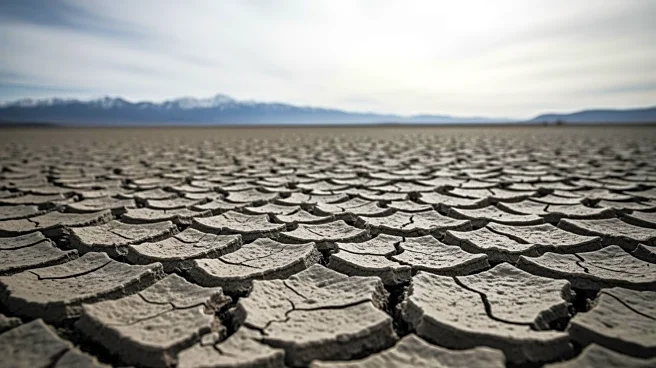
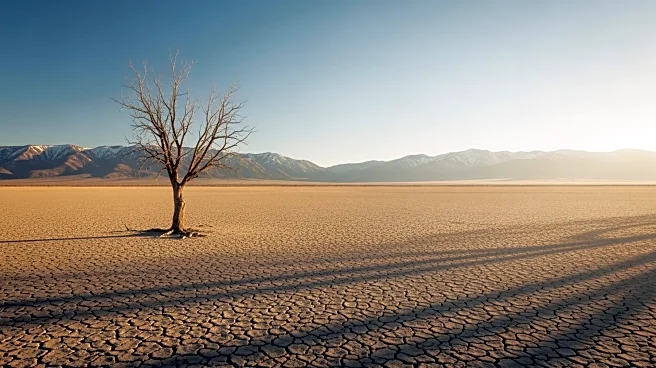
of Agriculture’s Natural Resources Conservation Service, is a significant concern as it indicates potential worsening of the ongoing drought in the Western United States. The lack of snow is already impacting local ranchers and cities, with water-use restrictions being imposed and concerns about feeding and watering cattle. The situation is exacerbated by record high temperatures and the threat of wildfires, as snow is vanishing from all but the highest elevations.
Why It's Important?
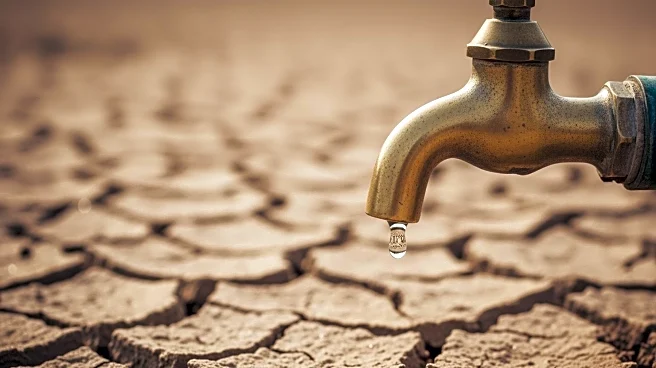
The record low snowpack in Colorado is a critical issue for the Western U.S., where water shortages are already a significant concern due to a prolonged drought. The snowpack is a crucial water source for the region, and its depletion could lead to severe water shortages, affecting agriculture, urban water supplies, and increasing the risk of wildfires. Cities like Salt Lake City and Denver are already implementing water-use restrictions, and ranchers are facing challenges in maintaining their livestock. The situation underscores the broader impacts of climate change, as warmer temperatures and reduced precipitation patterns continue to strain water resources.
What's Next?
The ongoing drought and low snowpack levels are likely to lead to further water-use restrictions and increased tensions over water rights in the Western U.S. States in the Colorado River Basin are in negotiations to create new rules for managing water during shortages, with current agreements set to expire in September. The situation may lead to legal disputes if an agreement is not reached. Additionally, the risk of wildfires is expected to increase as temperatures rise and precipitation remains below normal, posing further challenges for the region.
Beyond the Headlines
The current water crisis in the Western U.S. highlights the need for long-term solutions to address water scarcity and climate change impacts. The situation may prompt increased investment in water conservation technologies and infrastructure, as well as policy changes to manage water resources more sustainably. It also raises ethical and legal questions about water rights and the equitable distribution of resources, particularly as climate change continues to alter traditional water availability patterns.