





What's Happening?
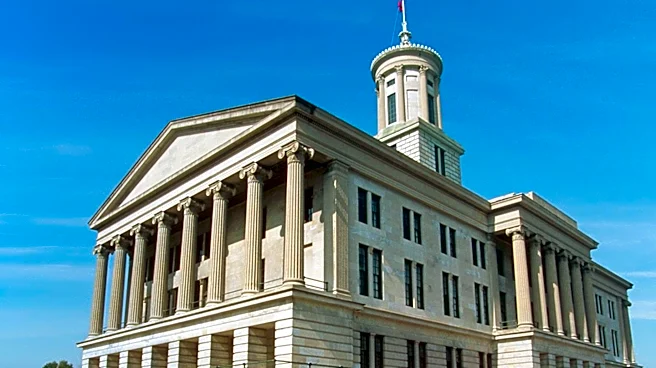
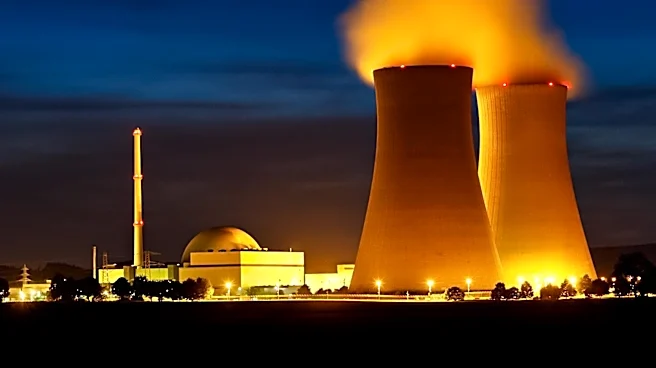
Tennessee, along with four other states, has agreed to accept nuclear waste in exchange for federal assistance in developing nuclear energy. This initiative is part of a broader effort to reclaim U.S. leadership in civilian nuclear energy. The states involved,
all led by Republican governors, are Tennessee, Louisiana, Oklahoma, Utah, and Idaho. The plan includes the potential development of Nuclear Lifecycle Innovation Campuses, which would host waste sites and facilities for uranium enrichment, spent-fuel reprocessing, and advanced reactor deployment.
Why It's Important?
This agreement could significantly boost the economies of the participating states by attracting up to $50 billion in private investment and generating substantial tax revenues. It also addresses the critical issue of nuclear waste storage, which has been a challenge due to the stalled Yucca Mountain project. By moving waste away from population centers, the plan aims to enhance safety and gain community consent for long-term storage solutions. The initiative aligns with President Trump's goal to increase domestic nuclear energy production.
What's Next?
The next steps involve Congress authorizing the campuses and establishing oversight mechanisms. The states will work with the federal government to finalize plans and secure funding. The initiative may face opposition from local communities concerned about safety and environmental impacts, requiring careful negotiation and public engagement.