
What's Happening?
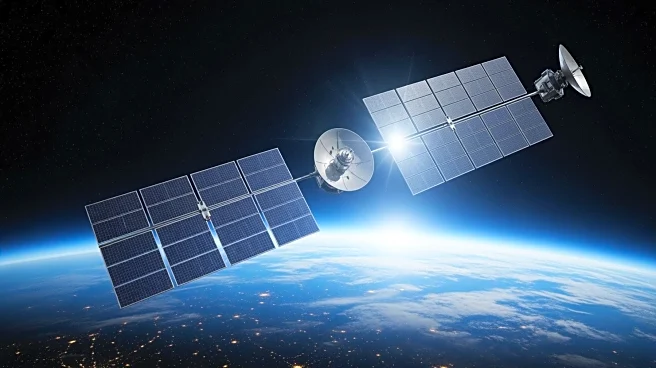
A team from the California Institute of Technology has proposed a space-based solar power (SSP) system that uses high-efficiency solar cells and lightweight structures to convert solar energy into microwave
power, which is then beamed to Earth. This system, detailed in a study published in June 2025, involves a power station in geostationary orbit. The authors conducted a techno-economic analysis indicating that the SSP system could deliver power at competitive rates compared to other clean energy solutions, with a higher capacity factor and greater flexibility.
Why It's Important?
The SSP system represents a potential breakthrough in sustainable energy technology, offering a new method to harness solar power without the limitations of terrestrial solar farms. By providing a continuous and reliable energy source, this system could significantly contribute to meeting global energy demands while reducing reliance on fossil fuels. The economic viability of the system suggests it could become a key component of future energy infrastructure, supporting efforts to transition to renewable energy sources and reduce carbon emissions.
What's Next?
Further research and development are needed to optimize the system's components and explore alternative materials for solar cells to reduce costs and improve efficiency. As the demand for sustainable energy grows, the SSP system could attract interest from governments and private sectors looking to invest in innovative energy solutions. The success of this project could pave the way for similar initiatives, potentially leading to a new era of space-based energy generation.