



What's Happening?
Bangladesh is experiencing a significant rise in zoonotic diseases, including anthrax, brucellosis, and avian influenza, directly correlated with a substantial increase in its livestock and poultry population. Data from the IEDCR's Anthrax Surveillance
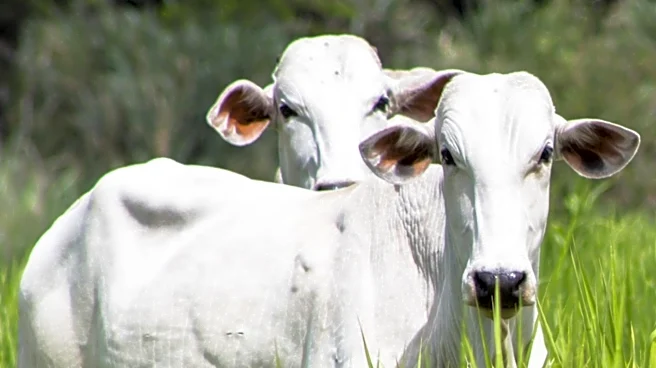
Data Analysis shows a surge in suspected human cutaneous anthrax cases, from 307 in 2020 to 655 in 2023. In 2023, 78 out of 142 tested samples were positive for anthrax. Exposure to goats accounted for 58% of cases, and cattle for 38.2%. The growth in livestock, particularly poultry, which increased by approximately 27% between 2016-17 and 2025-26, has led to more frequent human-animal contact. This increased interaction occurs through crowded farms, live animal markets, and transport and slaughter systems, creating fertile ground for pathogens to jump from animals to humans. Intensive farming practices are cited as a key factor in the emergence of these diseases.
Why It's Important?
The escalating risk of zoonotic diseases in Bangladesh highlights a critical public health challenge with potential global implications. The close interaction between humans and animals in crowded environments, such as live markets, facilitates the transmission of pathogens. This situation underscores the interconnectedness of human, animal, and environmental health, a concept increasingly recognized globally. The rise in cases of diseases like anthrax and avian influenza not only poses a direct threat to public health within Bangladesh but also raises concerns about the potential for international spread, as viruses do not respect borders. The economic impact on the livestock sector, a vital component of food and nutrition security, could be substantial if outbreaks become more severe or widespread, affecting livelihoods and food supply chains. The need for robust disease surveillance and control measures is paramount to mitigate these risks and prevent future pandemics.
What's Next?
To address the rising zoonotic disease risk, experts recommend several measures. These include transitioning to processed or chilled poultry meat from designated slaughterhouses to reduce direct human-animal contact in live markets. There is also a call for greater emphasis on screening programs for bovine tuberculosis and brucellosis. The UN Food and Agriculture Organization's Bangladesh: Emergency and Resilience Plan 2026–2028, which requires an estimated $79.6 million in funding, emphasizes strengthening animal health and agri-food systems while addressing climate and environmental risks. This plan aims to align livestock production with zoonotic risk containment through safer farms, hygienic slaughter, and improved market systems. Continued efforts in disease surveillance, data sharing, and research and development are crucial to prevent outbreaks and ensure preparedness for future health crises.
Beyond the Headlines
The situation in Bangladesh reflects a broader global challenge where rapid agricultural expansion and changing environmental conditions contribute to the emergence of zoonotic diseases. Climate change further exacerbates this risk by altering pathogen habitats and disease vectors, bringing wildlife, domestic animals, and humans into closer proximity. The ethical implications of intensive farming practices, which prioritize production efficiency over animal welfare and public health, are also brought to the forefront. The long-term shift required involves a holistic 'One Health' approach that integrates human, animal, and environmental health policies. This includes investing in sustainable farming practices, improving biosecurity, and fostering international cooperation to develop early warning systems and rapid response mechanisms for emerging infectious diseases. The economic and social costs of inaction far outweigh the investments needed for proactive prevention and preparedness.