



What's Happening?
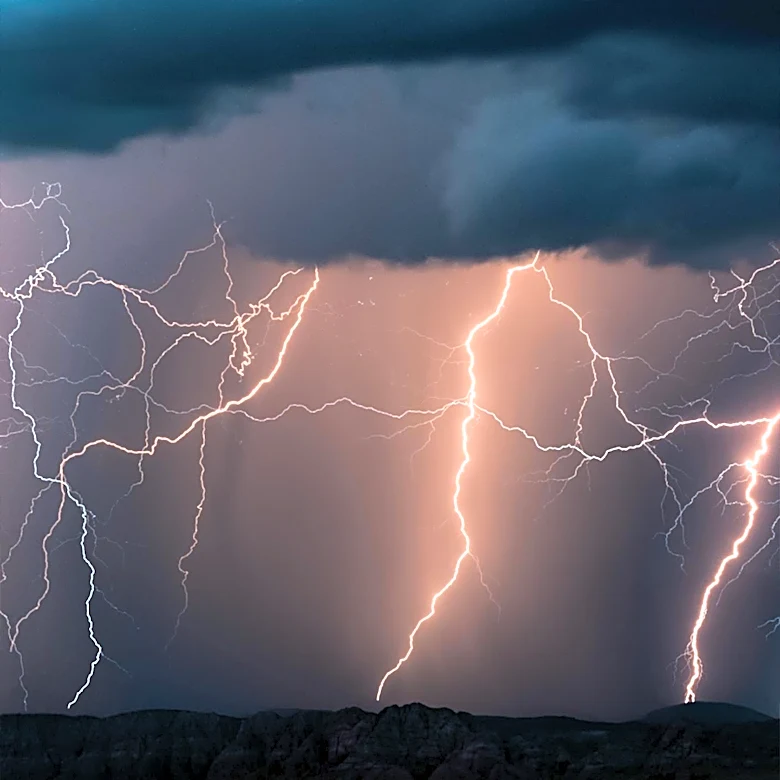
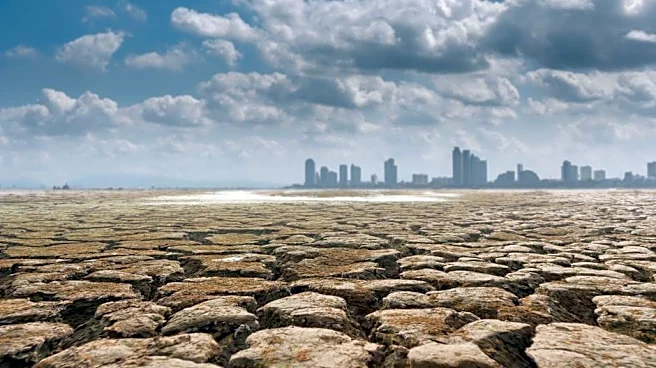
The World Meteorological Organization (WMO) has reported on the extreme weather conditions affecting various parts of the world, including record-breaking heatwaves in Western Europe and Asia, and significant monsoon rainfall in South Asia. The WMO's
Global Hydromet Scan has warned of heavy rainfall and potential flash floods in regions such as India, Pakistan, and Myanmar. Additionally, China has conducted mass evacuations in anticipation of Typhoon Dolphin. The report also highlights marine heatwaves and exceptional wildfire activity in Europe and North America. These weather patterns are attributed to long-term climate warming and persistent high-pressure systems.
Why It's Important?
The extreme weather conditions reported by the WMO underscore the growing impact of climate change on global weather patterns. These events have significant implications for public safety, agriculture, and infrastructure, particularly in regions prone to flooding and wildfires. The increased frequency and intensity of such events highlight the urgent need for reliable weather forecasts and early warning systems to mitigate risks. The WMO's emphasis on the Early Warnings for All initiative reflects the critical role of timely information in protecting communities and reducing economic losses.
What's Next?
The WMO plans to release its annual Air Quality and Climate Bulletin in early September, which will include data on wildfires and their impact on air quality. The organization continues to prioritize the development of early warning systems to enhance preparedness for extreme weather events. As climate change progresses, the WMO anticipates further increases in the frequency and severity of such events, necessitating ongoing international cooperation and investment in climate resilience measures.