







What's Happening?
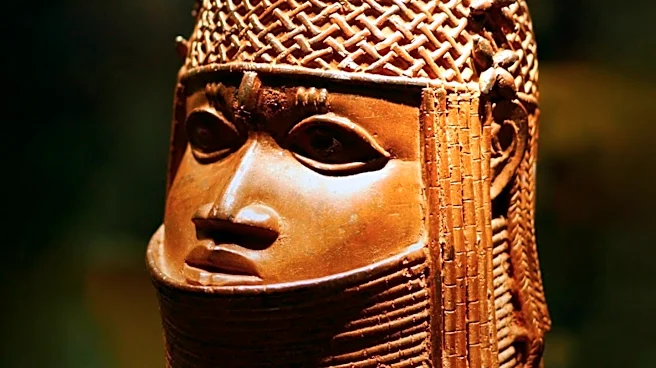
The debate surrounding the repatriation of Benin Bronzes is intensifying, with a growing focus on their historical context and market evolution. These artworks, originally from Benin City, now Nigeria, were largely plundered during the 1897 British attack.
Initially viewed as colonial trophies and later as aesthetic inspirations for Western artists like Pablo Picasso and Jacob Epstein, they are now central to decolonial discourse. Institutions such as the Smithsonian and the Museum of Fine Arts have begun repatriating pieces, highlighting the role of art dealers like John J. Klejman and William Downing Webster in their circulation. The market value of these bronzes has dramatically increased, with an example of a Benin head purchased for £230 in 1951 selling for £10 million in 2016. Despite legal complexities, including the British Museum Act of 1963, which restricts deaccessioning, efforts for restitution are gaining momentum, driven by ethical considerations and sustained advocacy from Nigerian officials and historians.
Why It's Important?
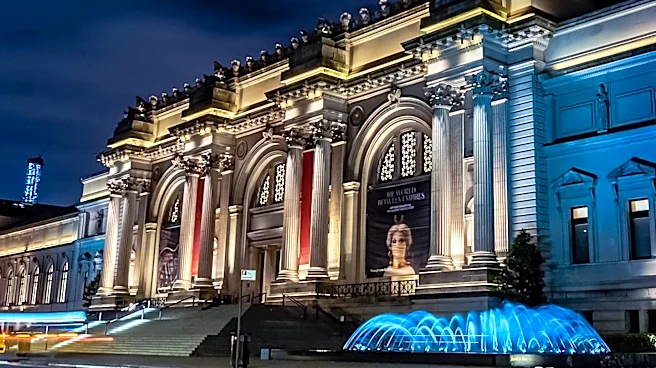
The ongoing efforts to repatriate the Benin Bronzes are critically important as they challenge the historical narratives and practices of Western art institutions. This movement underscores a broader global shift towards decolonization and cultural restitution, forcing museums and collectors to confront the ethical implications of possessing artifacts acquired through colonial violence. The dramatic increase in the market value of these bronzes also highlights the complex interplay between cultural heritage, economic interests, and historical injustice. For the U.S., institutions like the Smithsonian and the Metropolitan Museum of Art are directly involved, setting precedents for how American museums address their collections' provenance. This process impacts public policy regarding cultural heritage, potentially leading to new legal frameworks or ethical guidelines for art acquisition and display, and influencing how the U.S. engages with international cultural diplomacy.
What's Next?
The future of Benin Bronzes repatriation will likely involve continued negotiations between Western institutions and the Nigerian government, potentially leading to more returns. Initiatives like Digital Benin, which consolidates provenance records, will play a crucial role in facilitating these discussions by providing comprehensive historical data. Legal challenges, particularly concerning existing domestic laws like the British Museum Act, will need to be addressed, possibly through legislative changes or creative legal interpretations. Stakeholders, including art dealers, collectors, and auction houses, will face increased scrutiny regarding the provenance of cultural artifacts, potentially leading to stricter ethical guidelines in the art market. The ongoing public discourse and advocacy from civil society groups and historians will continue to pressure institutions to act, shaping future policies on cultural restitution and heritage preservation.
Beyond the Headlines
Beyond the immediate issue of repatriation, the Benin Bronzes saga raises profound questions about the nature of cultural ownership, historical memory, and the role of museums in a post-colonial world. It challenges the traditional Western concept of universal museums, prompting a re-evaluation of who has the right to interpret and display cultural heritage. The ethical dimensions extend to the very foundation of art collecting and the market, forcing a reckoning with past injustices and the legacy of colonialism. This movement could trigger a broader re-examination of museum collections worldwide, leading to a more equitable distribution of cultural artifacts and a greater emphasis on collaborative stewardship with originating communities. Ultimately, it fosters a deeper understanding of global interconnectedness and the importance of cultural identity in shaping contemporary society.