

What's Happening?
The Federal Energy Regulatory Commission (FERC) has approved the MVP Boost expansion project, issuing a Certificate of Public Convenience and Necessity. This approval comes despite significant opposition from community members and environmental groups,
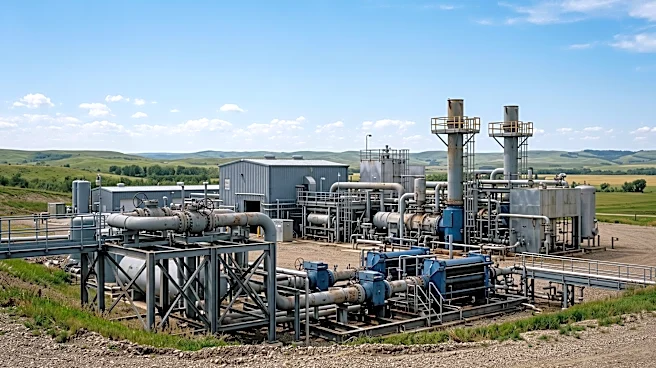
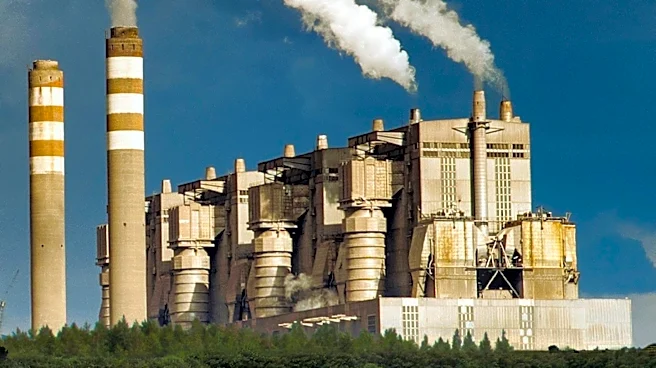
as well as documented concerns regarding harm to the Elliston-Lafayette environmental justice community in Montgomery County, Virginia. FERC's own Environmental Assessment acknowledged unresolved air quality permitting issues and noted that the Swann Compressor Station, a key component of the project, is located in an area with more neighboring residents than any alternative site considered. The Virginia Department of Environmental Quality (DEQ) had previously halted processing the air permit application for the Swann Compressor Station due to contradictions in site suitability determinations. Although DEQ reopened the application on November 18, 2026, with a target completion date of May 18, 2027, the federal approval was granted while this state permit remains outstanding. Thousands of community members have signed petitions and submitted comments urging FERC to deny the certificate, citing concerns about air quality and public health.
Why It's Important?
This decision by FERC highlights a significant tension between federal energy development goals and local community concerns, particularly in environmental justice areas. The approval of the MVP Boost project, despite an unresolved state air permit and strong local opposition, raises questions about the efficacy of regulatory oversight and the protection of vulnerable communities. Residents of Elliston and Lafayette in Montgomery County, Virginia, fear increased health burdens from pollutants emitted by the Swann Compressor Station, adding to existing challenges from proximity to major roadways and rail lines. Environmental advocates argue that FERC's decision prioritizes fossil fuel company profits over public health and safety, potentially setting a precedent for similar projects in other communities. The ongoing dispute underscores the challenges in balancing energy infrastructure needs with environmental protection and community well-being, particularly when federal and state regulatory processes are not fully aligned.
What's Next?
The fight against the MVP Boost project is expected to continue, with community organizers and environmental groups vowing to persist in their efforts. The focus will now shift to the Virginia Department of Environmental Quality (DEQ), which still needs to approve the state air pollution permit for the Swann Compressor Station. Advocates are calling on Virginia DEQ to conduct a thorough assessment of the compressor station's impact on air quality, including disproportionate effects on nearby residents, and to reject the permit. Local opposition is anticipated to grow, with continued organizing and advocacy efforts aimed at preventing the project's construction. Stakeholders, including community members and environmental organizations, will likely monitor DEQ's review process closely and engage in further public discourse and potential legal challenges to safeguard community health and environmental quality.
Beyond the Headlines
The FERC's approval of the MVP Boost project, despite the lack of a state air permit and significant community opposition, points to broader systemic issues within energy infrastructure development. It highlights the ongoing debate about environmental justice, where communities already burdened by pollution are disproportionately affected by new industrial projects. The decision also underscores the complex interplay between federal and state regulatory bodies, revealing potential gaps or conflicts in their oversight responsibilities. Ethically, the situation raises questions about the extent to which regulatory bodies prioritize economic development over the health and well-being of local populations, particularly those in environmental justice communities. This case could serve as a critical example in future discussions about reforming energy permitting processes to ensure more equitable outcomes and stronger environmental protections.