






What's Happening?
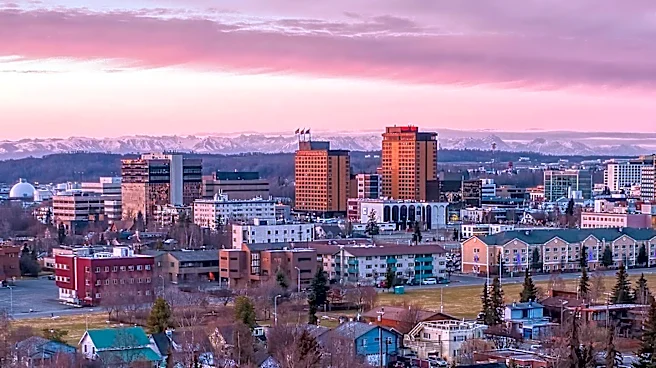
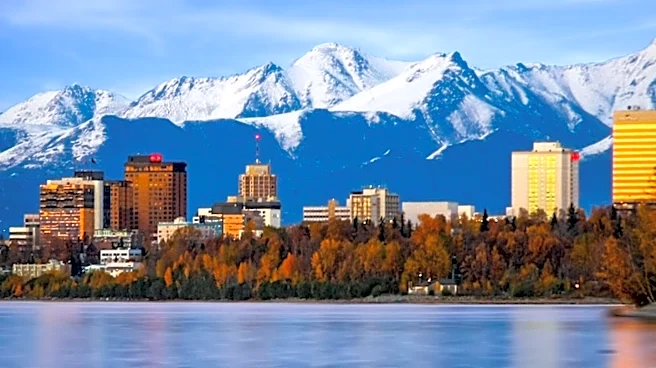
Anchorage, Alaska, is facing a tightening natural gas supply, prompting utilities across Southcentral Alaska to warn homeowners about potential higher heating costs and the possibility of rolling blackouts during cold winter months. The region's primary
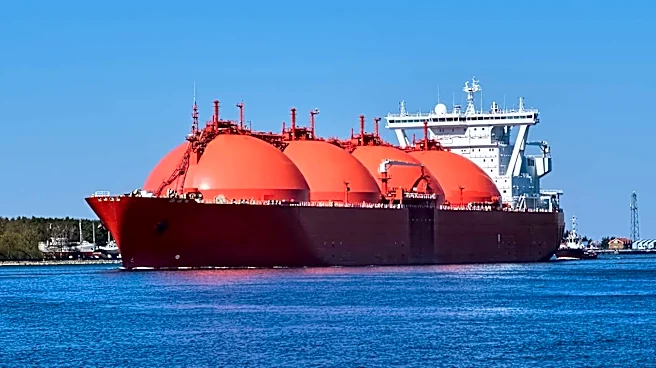
gas utility, Enstar, has indicated that the local supply from Cook Inlet is in decline and cannot be relied upon for the long term. This situation means that heating bills are expected to climb over the next several winters, and gas supply will be tightest when temperatures are coldest. Long-term solutions, such as importing liquefied natural gas (LNG) or constructing a North Slope pipeline, are years away from implementation. Imported LNG is significantly more expensive than the local gas Anchorage has historically used, and a North Slope pipeline would not deliver gas to Southcentral homes until the end of the decade at the earliest. Consequently, residents are being advised to consider backup heating solutions to ensure warmth and security during the winter.
Why It's Important?
The impending natural gas shortage in Anchorage has critical implications for the daily lives and financial well-being of its residents. With temperatures often dropping well below zero, a reliable heat source is not merely a comfort but a necessity for safety. The increased heating costs will place a significant financial burden on households, particularly those with fixed incomes. Furthermore, the risk of rolling blackouts or service interruptions means that homes relying solely on the natural gas grid could be left without heat during extreme cold, posing health and safety risks. This situation underscores the vulnerability of communities dependent on a single energy source and highlights the importance of energy resilience. The long lead times for alternative solutions like imported LNG or a new pipeline mean that residents must proactively adapt to the current challenges, making backup heating a crucial consideration for many Anchorage households.
What's Next?
Anchorage homeowners are encouraged to implement backup heating plans before the winter deepens. Options being promoted include wood stoves, pellet stoves, and fireplace inserts, which offer independent heat sources. Wood stoves provide maximum independence as they do not require electricity or connection to the gas grid, making them effective during power outages. Pellet stoves offer efficient, thermostat-controlled heat but typically require electricity for operation, necessitating a battery backup or generator for full power-outage resilience. Fireplace inserts can convert existing, inefficient fireplaces into effective heat producers. Residents are advised to visit local retailers for consultations to determine the best backup heating solution for their specific needs and home configurations. The long-term energy landscape for Anchorage will involve exploring more expensive imported LNG and the eventual development of a North Slope pipeline, but these solutions are still years away.
Beyond the Headlines
The Anchorage gas shortage reflects a broader challenge faced by many communities reliant on aging or diminishing local energy resources. This situation brings to light the critical need for proactive energy planning, infrastructure investment, and diversification of energy sources at both local and national levels. Ethically, it raises questions about equitable access to affordable and reliable heating, especially for vulnerable populations who may struggle with rising costs or the inability to invest in backup systems. Culturally, the emphasis on self-reliance and preparedness, often seen in Alaskan communities, is reinforced. The long-term shift towards more expensive imported energy or new pipeline projects also highlights the economic and environmental trade-offs involved in securing energy supplies, potentially influencing future policy decisions regarding energy independence and sustainability in other regions facing similar resource constraints.