


What's Happening?
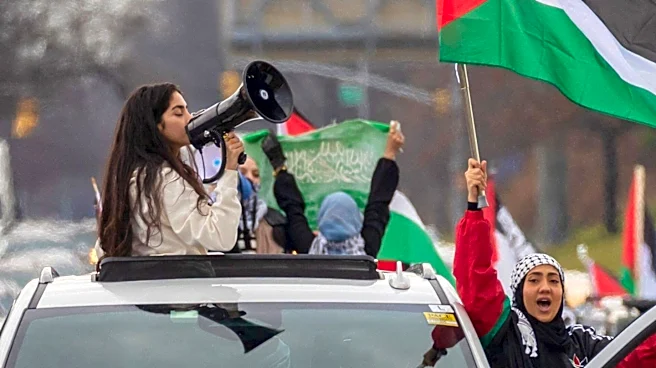
The Arab American community in the U.S. is undergoing a significant political awakening, rooted in historical migrations and evolving social dynamics. Early Arab immigrants, including figures like Mymonie and Sam, arrived in the U.S. at the turn of the twentieth
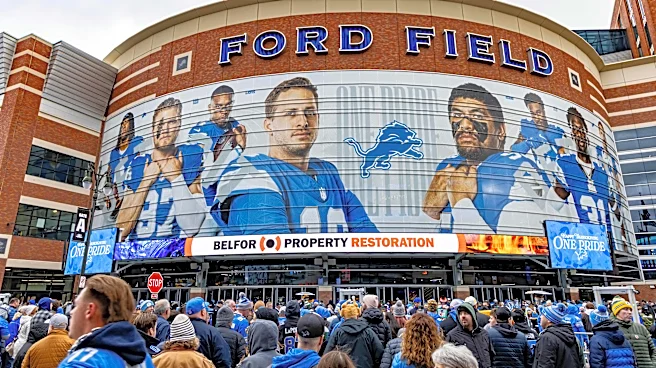
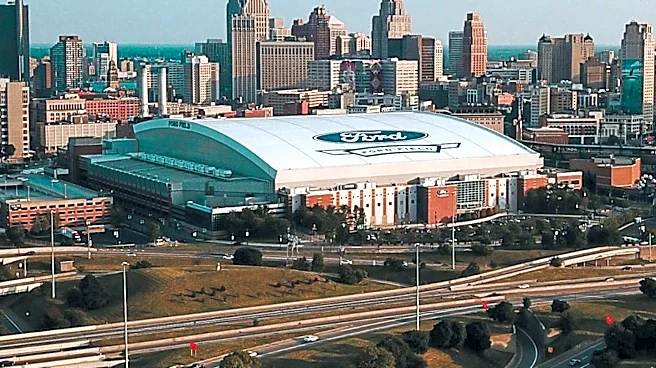
century, often drawn by opportunities like those offered by Henry Ford's factories in Detroit. These communities, initially diverse in religious and national backgrounds, faced challenges such as the Great Depression, which led to collective action to secure culturally appropriate provisions. The narrative highlights the role of individuals like Hussien, a pioneering local imam, who served not only Arab Americans but also Black residents from the rural South who found Islam a welcoming alternative amidst societal denigration. This historical context of community formation and collective struggle has laid the groundwork for the current political engagement. The community's political consciousness was also shaped by international events, such as the division of Palestine and the rise of figures like Gamal Abdel Nasser, who inspired hope for justice and independence.
Why It's Important?
This political awakening is important as it signifies a growing and increasingly organized voice within the U.S. political landscape. Historically, Arab Americans have navigated complex identities and challenges, from economic hardship to cultural integration. The formation of community structures, such as prayer halls and social clubs, and the leadership of figures like Hussien, demonstrate a long-standing tradition of self-organization and advocacy. The engagement with civil rights lawyers like Ernest Goodman by individuals such as Abdeen, who sought to use his rhetorical skills for community service, underscores a commitment to broader social justice movements. This historical trajectory indicates that the current political awakening is not an isolated event but a continuation of efforts to assert their rights and influence. The community's experiences, including the impact of international events on their identity and political outlook, highlight the interconnectedness of global and local politics for diaspora communities in the U.S.
What's Next?
The ongoing political awakening suggests a continued increase in Arab American participation and influence in U.S. politics. This could manifest in various ways, including greater voter turnout, increased representation in local and national offices, and more organized advocacy for specific policies. The historical precedent of collective action during times of hardship, such as the Great Depression, indicates a capacity for unified efforts to address contemporary issues. The community's engagement with broader civil rights movements in the past suggests potential alliances with other minority groups to push for shared goals. Furthermore, the historical inspiration drawn from international figures like Gamal Abdel Nasser implies that global events and U.S. foreign policy will likely continue to be significant drivers of political engagement within the Arab American community, potentially leading to increased lobbying efforts on issues related to the Middle East.
Beyond the Headlines
Beyond the immediate political implications, this awakening touches upon deeper cultural and ethical dimensions of American identity. The story of early immigrants, like Mymonie and Sam, and their efforts to maintain cultural and religious practices in a new land, highlights the ongoing process of cultural adaptation and preservation within immigrant communities. The role of religious leaders like Hussien in fostering community and providing support to diverse groups, including Black Americans, underscores the potential for inter-community solidarity and the evolving nature of religious institutions in the U.S. The fascination with 'Arabia' in American culture, as evidenced by popular literature and product branding, also points to a complex interplay of exoticism and integration. This political awakening is not just about policy or elections; it's about the ongoing negotiation of identity, belonging, and influence for a significant and historically rich segment of the American population.