




What's Happening?
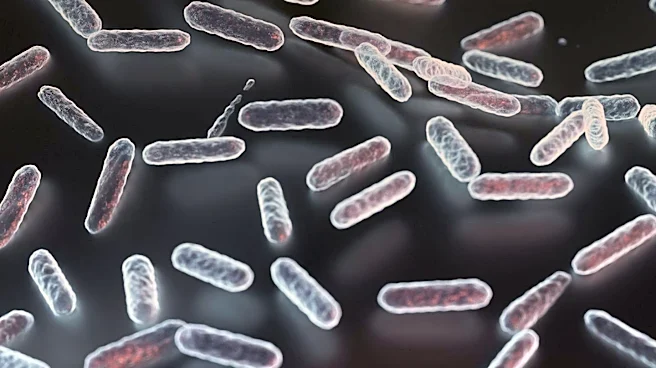
Health officials in Louisiana are urging beachgoers to exercise caution due to a surge in infections from Vibrio vulnificus, a flesh-eating bacteria found in coastal waters. This year, Louisiana has reported nine cases, resulting in five deaths, a significant
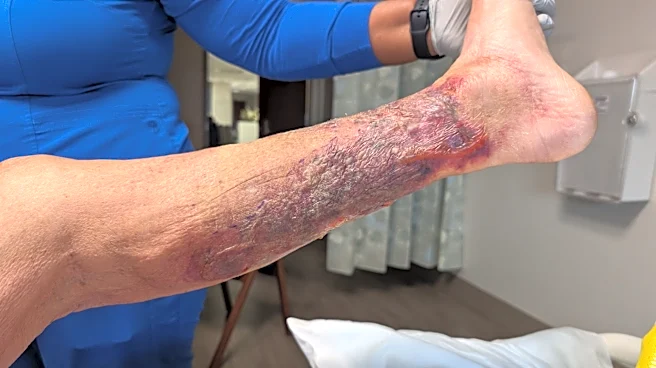
increase compared to previous years. The bacteria thrive in warm, brackish waters, making the Gulf Coast an ideal environment for its proliferation. Infections typically occur from May to October, with the bacteria entering the body through open wounds or by consuming contaminated shellfish. The Centers for Disease Control and Prevention (CDC) notes that Vibrio vulnificus infections have a high fatality rate, particularly affecting individuals with weakened immune systems.
Why It's Important?
The rise in Vibrio vulnificus infections poses a significant public health concern, particularly for coastal communities and tourists frequenting Gulf Coast beaches. The bacteria's high fatality rate underscores the need for increased awareness and preventive measures among beachgoers. The situation highlights the broader implications of climate change, as warmer waters may contribute to the bacteria's spread and increased infection rates. Public health officials must balance promoting tourism with ensuring public safety, necessitating clear communication and effective health advisories to mitigate risks.
What's Next?
Health officials are likely to continue monitoring infection rates and environmental conditions to provide timely updates and advisories. Public health campaigns may focus on educating the public about preventive measures, such as avoiding water exposure with open wounds and ensuring proper cooking of shellfish. The situation may prompt further research into the impact of climate change on bacterial proliferation and the development of strategies to mitigate health risks. Collaboration between state health departments and federal agencies like the CDC will be crucial in managing the public health response.
Beyond the Headlines
The surge in bacterial infections raises questions about the long-term impact of climate change on public health and coastal ecosystems. As sea temperatures rise, the geographic range of Vibrio vulnificus and similar pathogens may expand, posing new challenges for public health infrastructure. The situation also highlights the need for sustainable tourism practices that prioritize environmental health and safety. Policymakers may need to consider integrating climate resilience into public health planning to address emerging threats effectively.