







What's Happening?
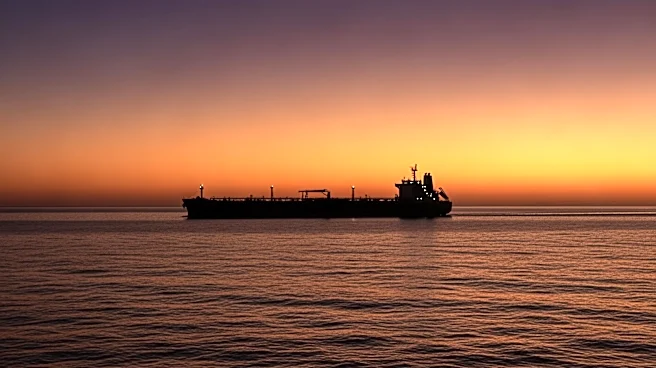
The U.S. president's decision to attack Iran has led to significant geopolitical and economic consequences. Iran responded by closing the Strait of Hormuz, a critical chokepoint for global oil and LNG supplies. This has resulted in a sharp increase in oil prices,
with gasoline prices in the U.S. expected to exceed $5 per gallon. The closure has disrupted global trade flows, affecting the supply of fertilizers and other commodities. Analysts warn of potential economic shocks and increased inflation due to the energy crisis.
Why It's Important?
The closure of the Strait of Hormuz has far-reaching implications for the global economy, particularly for the U.S. energy sector. The rise in oil prices could lead to higher inflation and economic instability. The situation underscores the importance of diplomatic solutions in addressing international conflicts. The energy crisis may accelerate the transition to renewable energy sources, as countries seek to reduce dependence on volatile oil markets.
What's Next?
The U.S. administration faces pressure to pursue diplomatic resolutions with Iran to reopen the Strait of Hormuz and stabilize oil markets. Failure to do so could lead to prolonged economic challenges. The situation may also prompt increased investment in renewable energy infrastructure as a long-term solution to energy security.
Beyond the Headlines
The crisis highlights the vulnerabilities of relying on fossil fuels and the geopolitical risks associated with energy dependence. It may catalyze a shift towards more sustainable energy policies and international cooperation on energy security. The event also raises ethical questions about the use of military force in international relations.