





What's Happening?
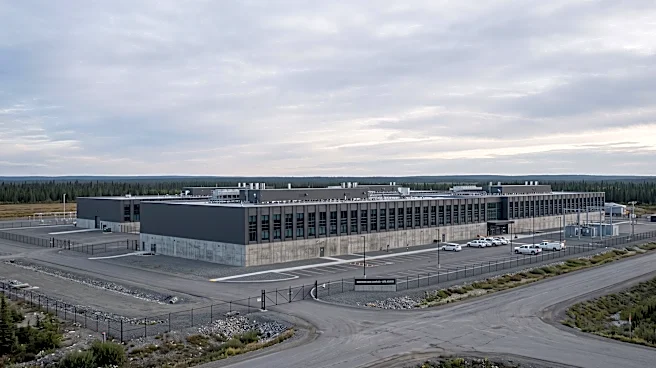
A study commissioned by Missoula County has concluded that data centers can have substantial impacts on health, safety, and the environment, validating the county's earlier decision to implement interim zoning that paused new data center developments.
The study, released four months after the interim ban, recommends that the county begin drafting new zoning regulations to address a range of identified impacts. These impacts include climate change, water quality and quantity, noise, thermal effects, land use, electronic waste, wildlife, and light pollution. County officials noted that while an outright ban on data centers is unlikely due to current state law, new regulations are necessary. The study also advises Missoula County to lobby the Montana Legislature and the Montana Public Service Commission to safeguard its authority over zoning and land use decisions. Svein Newman, the county's climate action program manager, highlighted the urgency of addressing issues like noise and backup power, while acknowledging challenges in areas where state authority may preempt local regulation, such as water quality.
Why It's Important?
This study is crucial for Missoula County and potentially other jurisdictions grappling with the rapid expansion of data centers. It provides a data-driven foundation for developing comprehensive local regulations to manage the environmental and infrastructural demands of these facilities. The findings underscore the significant resource consumption of data centers, particularly in terms of electricity and water, which can strain local utilities and contribute to broader environmental concerns. By identifying specific impacts like water evaporation, potential chemical contamination, and air quality issues from diesel generators, the study empowers the county to craft targeted zoning ordinances. Furthermore, the recommendation to lobby state bodies highlights a growing tension between local control over land use and broader state-level economic development policies, emphasizing the need for clear jurisdictional boundaries and collaborative governance in managing technological infrastructure growth. This could set a precedent for how other communities assess and regulate high-impact industries.
What's Next?
Missoula County plans to move forward with drafting new zoning regulations specifically tailored to address the impacts of data centers, as recommended by the study. This process will involve careful consideration of the identified issues, such as noise, water usage, and backup power systems. Concurrently, the county intends to engage with the Montana Legislature and the Montana Public Service Commission to advocate for the protection of its local zoning and land use decision-making authority. Karen Hughes, director of county planning and development, noted that data centers are a 'hot topic' across Montana, suggesting potential legislative action at the state level. The county will likely monitor legislative developments closely, possibly delaying the finalization of its own zoning regulations until after the legislative session concludes in January. This strategic approach aims to ensure that local regulations align with, or are not preempted by, state laws, allowing Missoula County to effectively manage future data center development.
Beyond the Headlines
The Missoula County data center study illuminates a broader national challenge: how local communities can manage the environmental footprint of the digital economy. As data consumption continues to surge, the physical infrastructure supporting it—data centers—demands immense resources, often in areas unprepared for such strain. This situation raises fundamental questions about energy policy, water management, and local autonomy in an increasingly interconnected world. The study's emphasis on lobbying state entities points to a critical need for a coordinated approach between local and state governments to balance economic growth with environmental stewardship. It also highlights the ethical dimension of technological advancement, prompting a re-evaluation of whether the benefits of digital services outweigh their ecological costs. This case could catalyze a national conversation on developing sustainable standards for data center operations, encouraging innovation in cooling technologies and renewable energy integration to mitigate their environmental impact.