
What's Happening?
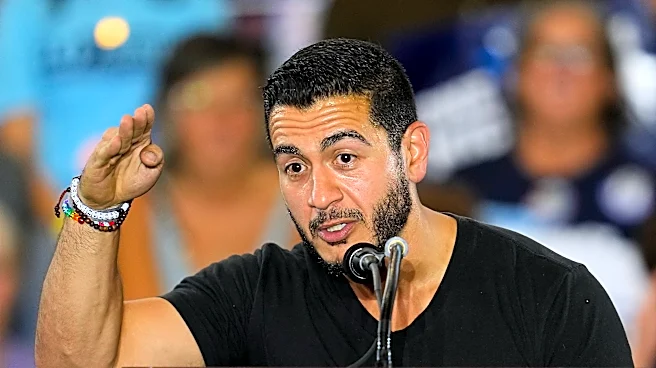
Former President Barack Obama has reached out to Abdul El-Sayed, the progressive candidate who recently won the Democratic primary for Michigan's U.S. Senate seat. Obama also contacted Haley Stevens, El-Sayed's
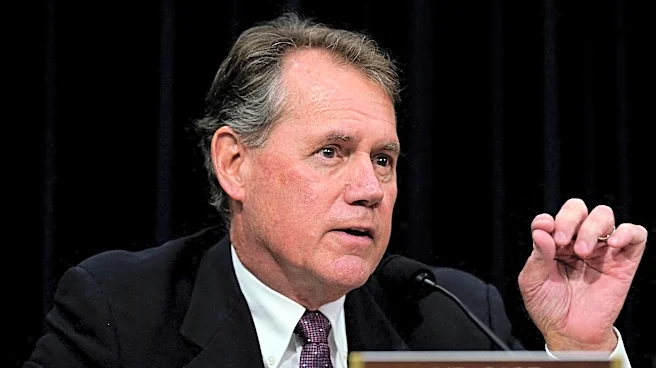
primary opponent, urging both to unite the Democratic Party ahead of the general election against Republican Mike Rogers. El-Sayed's victory over Stevens, a centrist candidate, highlights the ongoing tension between progressive and establishment wings within the Democratic Party. Obama's involvement aims to bridge these divides and strengthen the party's chances in the upcoming election.
Why It's Important?
Obama's intervention underscores the significance of party unity in competitive races, particularly in battleground states like Michigan. The outcome of this Senate race could influence the balance of power in Congress, affecting the Democratic Party's ability to advance its legislative agenda. El-Sayed's candidacy represents a shift towards progressive policies, which may energize younger and more diverse voters. However, reconciling differences between progressive and centrist factions is crucial to avoid alienating moderate voters and ensuring a cohesive campaign strategy.
What's Next?
As the general election approaches, El-Sayed will need to consolidate support from both progressive and centrist Democrats to maximize voter turnout. Obama's potential involvement in campaigning for El-Sayed could bolster his appeal and unify the party. The Democratic Party's ability to present a united front will be tested, as it seeks to counter Republican efforts to win the Senate seat. The race will likely attract national attention, with both parties investing significant resources to sway undecided voters and secure a victory in this pivotal contest.