




What's Happening?
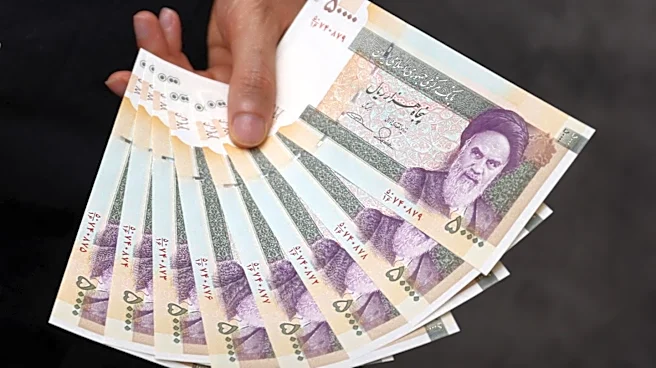
Iran's economy is experiencing a severe and deepening crisis, characterized by declining production, mounting corporate debt, and critical shortages in essential sectors, according to reports from state-run media. The crisis extends beyond inflation and sanctions,
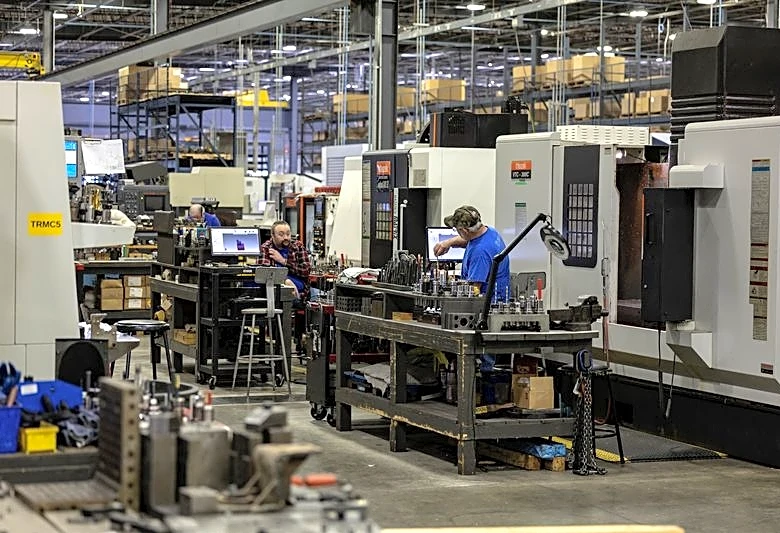
with the country struggling to replenish resources necessary for economic function. A recent directive from the Ministry of Industry and the Central Bank removed 2,816 import-tariff lines from access to the official currency exchange center, forcing thousands of import categories to rely on alternative, more expensive foreign-exchange financing. This move is expected to lead to higher costs, delayed imports, and reduced production for manufacturers. Industrial figures reveal significant declines; Iran Khodro's production fell by approximately 22% in the first six months of the current Iranian year, despite a 55% increase in nominal operating revenue driven by higher prices. The company recorded a net loss of 7.9 trillion tomans and debts exceeding 370 trillion tomans. Hospitals are also facing severe challenges, with sanctions and currency changes making essential medical equipment significantly more expensive and difficult to replace, threatening future service capacity.
Why It's Important?
The deepening economic crisis in Iran has significant implications for its domestic stability and international relations. The government's decision to restrict access to official foreign exchange for thousands of import categories indicates a severe shortage of hard currency, which will likely exacerbate inflation and reduce the availability of goods, further impacting the purchasing power of ordinary Iranians. The struggles of major industries like automotive, coupled with the dire situation in the healthcare sector, suggest a systemic breakdown that could lead to widespread social unrest. This economic vulnerability could influence Iran's foreign policy decisions, potentially making it more unpredictable or, conversely, more amenable to certain international pressures. The crisis also highlights the long-term effects of international sanctions combined with internal economic mismanagement, demonstrating how these factors can erode a nation's productive capacity and infrastructure over time, making recovery increasingly difficult even if external pressures ease.
What's Next?
The immediate future for Iran's economy appears bleak, with further price increases and production cuts anticipated as manufacturers grapple with higher import costs and currency shortages. Parliamentarian Hossein Samsami has warned of potential price increases of 40-50% due to changes in import financing. The government may continue to implement rationing measures and administrative interventions, but these are unlikely to address the fundamental structural problems. The deteriorating economic conditions could lead to increased public discontent and protests, posing a significant challenge to the regime's stability. Internationally, the economic crisis may intensify calls for humanitarian aid or, conversely, reinforce the effectiveness of sanctions as a tool of foreign policy. The long-term outlook suggests a continued struggle to maintain and renew productive assets, with the country's economic foundations progressively deteriorating, making any future recovery a monumental task.
Beyond the Headlines
The Iranian economic crisis extends beyond immediate financial indicators, revealing deeper issues of governance, corruption, and misplaced priorities. The reliance on price adjustments and administrative interventions rather than fundamental reforms has created an unsustainable economic model. The inability of hospitals to replace essential medical equipment points to a looming public health crisis, which could have severe humanitarian consequences. This situation also highlights the ethical dilemmas associated with broad economic sanctions, particularly their impact on civilian populations and essential services like healthcare. The regime's struggle to maintain its productive foundations suggests a long-term decline in national capacity, which could have profound geopolitical implications, potentially altering regional power dynamics. The crisis serves as a stark example of how prolonged economic mismanagement, compounded by external pressures, can hollow out a nation's economic future, leading to a cycle of decline that is difficult to reverse.