







What's Happening?
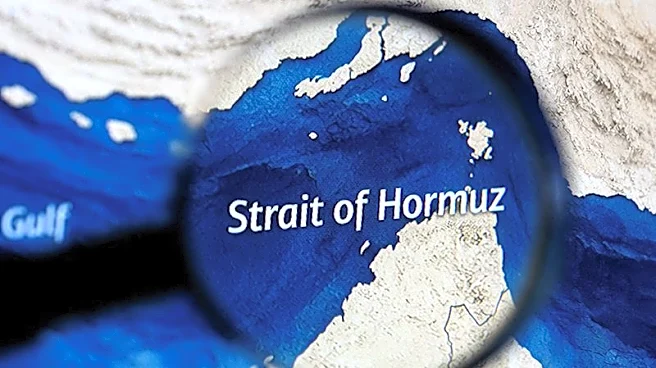
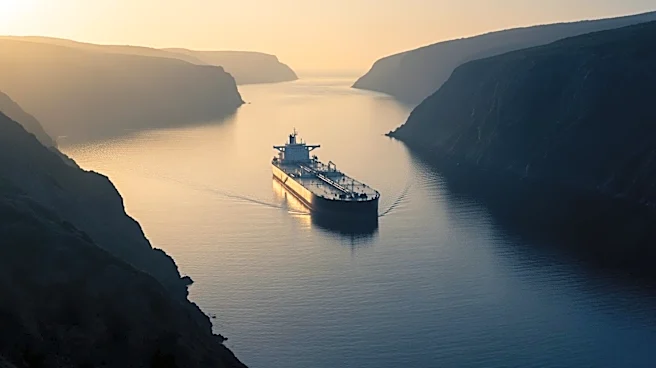
South Korea's presidential chief of staff, Kang Hoon-sik, announced plans to visit Kazakhstan, Oman, and Saudi Arabia to secure alternative oil supplies due to disruptions in the Strait of Hormuz. The strait is a critical route for South Korea, accounting
for a significant portion of its crude oil and naphtha imports. The visit aims to ensure stable energy supplies and support the safe passage of South Korean-flagged vessels currently in the strait. South Korea is also encouraging energy-saving measures domestically to cope with the tight supply conditions.
Why It's Important?
The disruption in the Strait of Hormuz highlights the vulnerability of global energy supply chains and the need for diversification. South Korea's efforts to secure alternative sources underscore the importance of energy security for national economies. The situation also reflects the broader geopolitical tensions in the region, with potential implications for global oil prices and supply stability. South Korea's proactive approach may serve as a model for other countries facing similar challenges.
What's Next?
Kang's diplomatic mission is expected to result in agreements that will diversify South Korea's energy imports and reduce reliance on the Strait of Hormuz. The success of these efforts could influence other nations to pursue similar strategies. The international community will be monitoring the situation closely, as the outcome could impact global energy markets and geopolitical dynamics. South Korea's engagement with key oil-producing countries may also strengthen its diplomatic ties and economic partnerships.