


What's Happening?
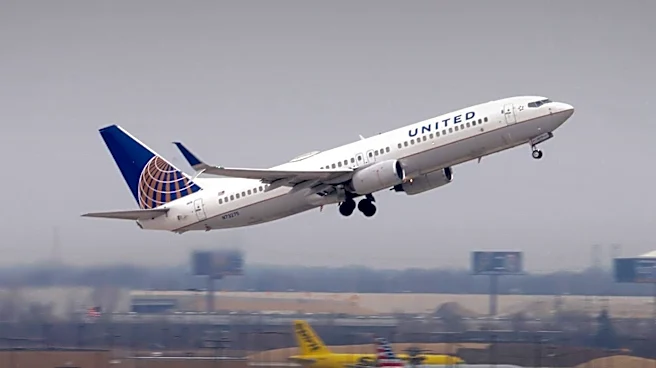
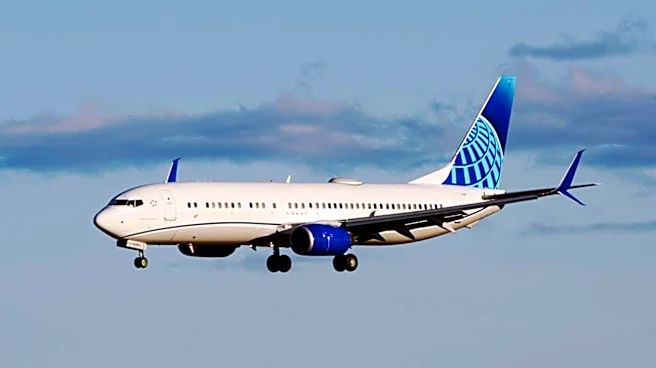
United Airlines Flight 455, a Boeing 737-900 bound for Phoenix, safely aborted its takeoff at Chicago O'Hare International Airport on Thursday afternoon. The incident occurred around 1:45 p.m. when the aircraft experienced a tire blowout. Following the aborted takeoff,
all 161 passengers and six crew members were safely deplaned directly on the runway. They were subsequently transported by bus to the terminal. Video footage shared on social media depicted a significant emergency response at the airport, with multiple buses on standby to assist with passenger transfer. United Airlines issued a statement confirming the event and indicated that arrangements were being made for another aircraft to transport the affected passengers to Phoenix later the same day. The Federal Aviation Administration (FAA) has initiated an investigation into the incident. The disruption led to average flight delays of 25 minutes at O'Hare as of 3:50 p.m., attributed to a disabled aircraft on a runway, though it was not immediately confirmed if this referred specifically to the United flight.
Why It's Important?
This incident underscores the critical importance of aircraft maintenance and safety protocols in commercial aviation. A tire blowout during takeoff, while safely managed in this instance, highlights potential risks that airlines and regulatory bodies continuously work to mitigate. For passengers, such events can be distressing, leading to significant travel delays and impacting confidence in air travel. For United Airlines, it represents an operational challenge, requiring swift logistical responses to re-accommodate passengers and manage potential reputational impacts. The involvement of the FAA in an investigation signals the regulatory scrutiny applied to ensure adherence to safety standards and to identify any systemic issues. Furthermore, the disruption at a major hub like O'Hare illustrates how a single aircraft incident can ripple through airport operations, affecting numerous other flights and travelers.
What's Next?
The Federal Aviation Administration's investigation into the tire blowout incident is underway, which will aim to determine the precise cause and any contributing factors. This investigation typically involves examining maintenance records, interviewing crew members, and inspecting the aircraft components. United Airlines will continue its efforts to re-accommodate the affected passengers, ensuring they reach their destination. Depending on the findings of the FAA's investigation, there could be recommendations for changes in maintenance procedures, operational protocols, or even aircraft inspections. The airline will also assess the impact on its flight schedule and potentially adjust operations to minimize further disruptions. The incident may also prompt internal reviews by United Airlines regarding its emergency response and passenger handling procedures.
Beyond the Headlines
Beyond the immediate operational and safety concerns, this event touches upon broader aspects of air travel resilience and passenger experience. The ability to safely abort a takeoff and efficiently deplane passengers on a runway demonstrates the effectiveness of emergency training and airport coordination. However, it also brings into focus the psychological impact on travelers who experience such unexpected events. The incident could lead to increased public awareness and scrutiny of airline maintenance practices, particularly for older aircraft models or those with high flight cycles. It also highlights the constant pressure on major airports like O'Hare to manage unforeseen disruptions while maintaining high traffic volumes, showcasing the intricate balance between safety, efficiency, and passenger service in modern aviation.