







What's Happening?
The Senate Agriculture Committee's version of the Farm Bill has not advanced, creating uncertainty for U.S. farmers. The bill, which is crucial for setting agricultural policy and funding, was expected to address various issues including subsidies, crop
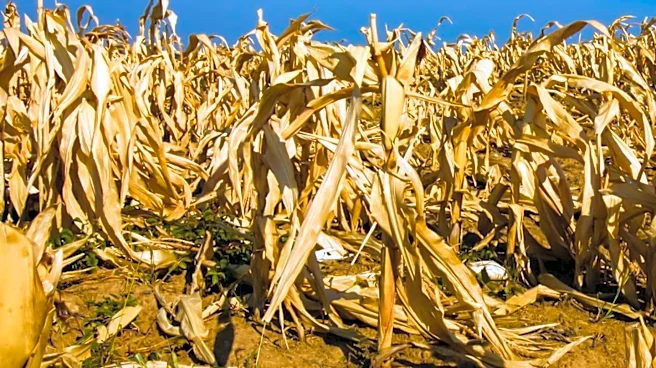
insurance, and rural development. The delay in advancing the bill has left many in the agricultural sector concerned about the future of farm support programs. U.S. Senator Chuck Grassley of Iowa, a member of the Senate Ag Committee, has been involved in discussions surrounding the bill. The lack of progress on the Farm Bill comes at a time when farmers are facing challenges such as fluctuating market prices and climate-related impacts on crop yields.
Why It's Important?
The Farm Bill is a critical piece of legislation that affects a wide range of stakeholders in the U.S. agricultural sector. It provides financial support and stability to farmers, which is essential for maintaining the country's food supply and rural economies. The delay in passing the bill could lead to uncertainty and financial strain for farmers who rely on government programs for crop insurance and subsidies. Additionally, the bill's provisions for rural development are vital for infrastructure improvements in farming communities. The setback could also impact related industries, such as food processing and distribution, which depend on a stable agricultural output.
What's Next?
The Senate Agriculture Committee will need to reconvene to address the issues that have stalled the Farm Bill. Stakeholders, including farm groups and agricultural businesses, are likely to increase lobbying efforts to ensure their interests are represented in the final version of the bill. The delay may also prompt discussions on temporary measures to support farmers until a new bill is passed. Political leaders will need to negotiate and find common ground to move the legislation forward, balancing the needs of different agricultural sectors and regions.