



What's Happening?
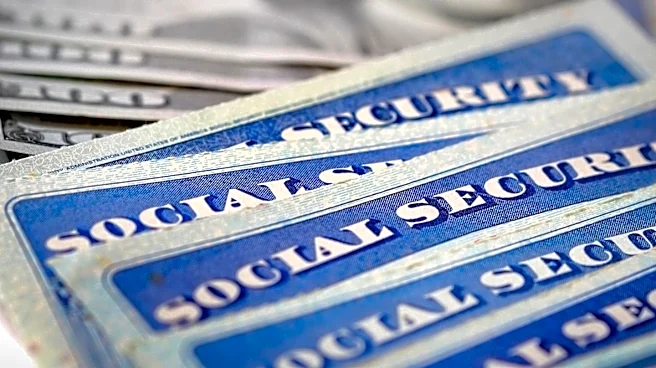
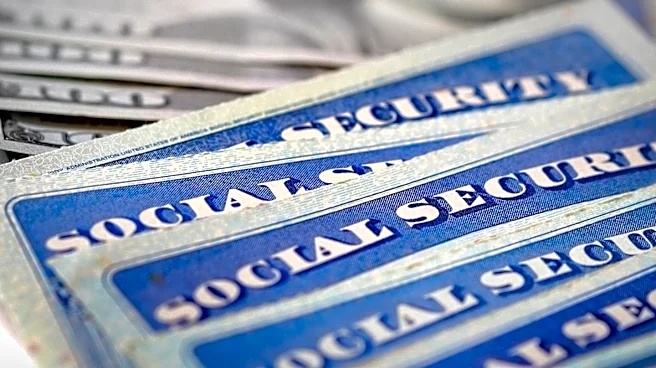
Social Security Administration (SSA) field offices across the United States operate on a standardized schedule: Monday through Friday, from 9:00 AM to 4:00 PM local time. These offices are closed on weekends and all federal holidays observed by the U.S.
Office of Personnel Management. The national phone line, 1-800-772-1213, is available for automated services 24/7, with agents answering calls Monday through Friday from 8:00 AM to 7:00 PM. For 2026, federal holidays include New Year's Day, Martin Luther King, Jr.'s Birthday, Washington's Birthday (Presidents Day), Memorial Day, Juneteenth National Independence Day, Independence Day (observed July 3), Labor Day, Columbus Day, Veterans Day, Thanksgiving Day, and Christmas Day. Similar closures are scheduled for 2027. While most offices adhere to this schedule, a small percentage may have different hours, and visitors are advised to confirm local office hours and schedule appointments in advance. Many routine tasks, such as requesting replacement SSA-1099s or changing direct deposit information, can be completed online via ssa.gov, reducing the need for in-person visits.
Why It's Important?
The consistent operating schedule and observance of federal holidays by SSA offices are crucial for millions of Americans who rely on these services for retirement, disability, and survivor benefits. Clear communication of these hours helps beneficiaries and applicants plan their interactions with the agency, minimizing inconvenience and ensuring access to critical support. The availability of a national phone line with extended hours and online services reflects an effort to enhance accessibility and efficiency, catering to individuals who may not be able to visit an office during standard business hours. This operational structure is vital for maintaining the continuity of essential government services, particularly for vulnerable populations who depend on Social Security for their financial well-being. Understanding these schedules also helps manage public expectations and resource allocation within the SSA, ensuring that staff are available when most needed and that federal holidays are respected.
What's Next?
Individuals planning to visit a Social Security office should first check the specific hours of their local office, as a small number may deviate from the standard schedule. It is highly recommended to schedule an appointment by calling the local office or the national toll-free number (1-800-772-1213) before visiting. For many common inquiries and transactions, beneficiaries and applicants are encouraged to utilize the SSA's online services at ssa.gov, which can often eliminate the need for an in-person visit or phone call. This includes tasks like obtaining benefit letters, changing addresses, or requesting replacement cards. As federal holidays approach, individuals should be aware of the specific dates when offices and phone lines will be closed to avoid any disruption in service access. The SSA will continue to provide updates on any changes to operating hours or service availability.
Beyond the Headlines
The operational policies of the Social Security Administration, including its office hours and holiday observances, reflect broader governmental approaches to public service delivery. The push towards online services and phone support highlights a trend in government agencies to leverage technology for efficiency and accessibility, potentially reducing the need for physical infrastructure and in-person interactions. However, this digital shift also raises questions about equitable access for populations who may lack internet access or digital literacy, underscoring the continued importance of physical office locations. The standardization of hours across the nation aims for consistency but may not always align with the diverse needs of local communities. The observance of federal holidays also reflects national cultural and historical values, pausing government operations in recognition of significant dates. These operational details, while seemingly minor, collectively shape the public's experience with a critical social safety net program and influence perceptions of government responsiveness and efficiency.