






What's Happening?
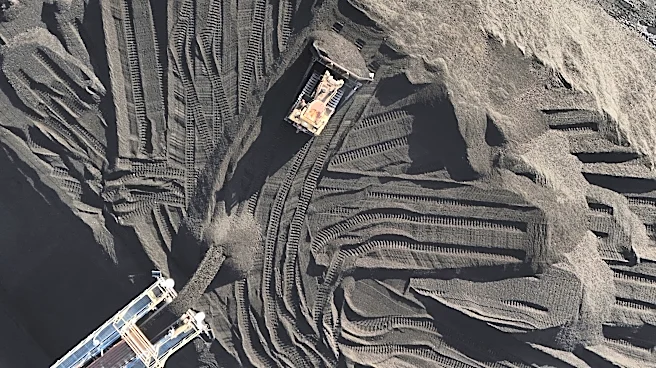
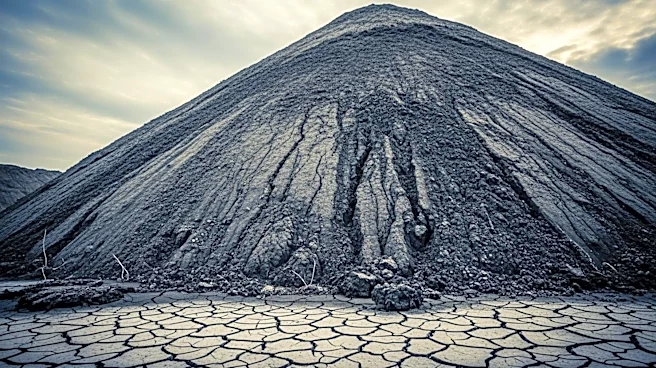
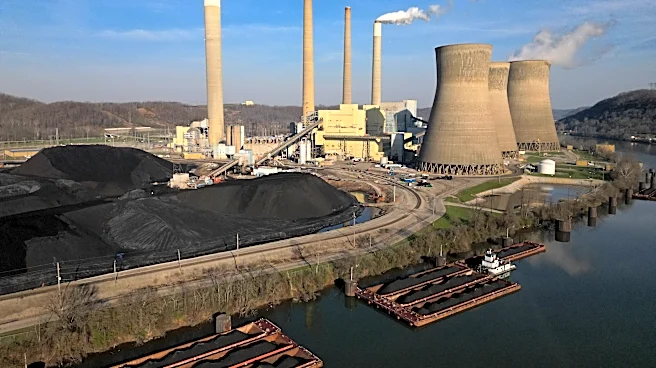
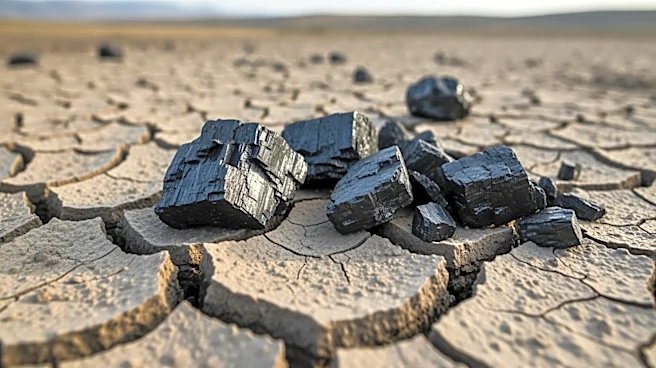
The Environmental Protection Agency (EPA) has announced plans to weaken federal regulations concerning the storage and use of toxic coal waste. This proposal includes exempting certain older or inactive coal ash disposal sites from regulation, granting
more authority to state officials over cleanup and monitoring, and allowing companies to test for contamination further from ash sites. The changes aim to facilitate the reuse of coal ash in manufacturing processes such as cement and drywall production. EPA Administrator Lee Zeldin described these changes as 'commonsense' measures to enhance American energy dominance and improve state-federal cooperation. However, environmental advocates have criticized the move, arguing it prioritizes industry interests over public health and could lead to increased pollution risks.
Why It's Important?
The proposed rollback of coal waste regulations by the EPA could have significant implications for environmental safety and public health. Coal ash, which contains harmful substances like mercury and arsenic, poses a risk of contaminating groundwater and affecting communities near disposal sites. The changes could reduce oversight and increase the likelihood of pollution incidents, potentially impacting drinking water supplies and local ecosystems. The move has sparked criticism from environmental groups, who argue that it undermines years of progress in regulating coal waste and protecting vulnerable communities. The proposal reflects ongoing tensions between regulatory bodies and industry stakeholders over environmental standards and economic priorities.
What's Next?
The EPA will open a 60-day public comment period on the proposed changes and plans to hold a public hearing. This process will allow stakeholders, including environmental groups, industry representatives, and the public, to express their views and concerns. Legal challenges may arise from environmental organizations seeking to block the rollback, citing potential violations of scientific standards and public health risks. The outcome of this regulatory shift could influence future policies on industrial waste management and environmental protection, with potential impacts on energy production and community health.
Beyond the Headlines
The rollback of coal waste regulations highlights broader issues of environmental justice and the balance between economic development and ecological preservation. Communities near coal ash disposal sites, often marginalized and disproportionately affected by pollution, may face increased health risks. The proposal raises ethical questions about the responsibility of regulatory agencies to protect vulnerable populations and the environment. Long-term, the changes could affect the trajectory of U.S. energy policy, with implications for sustainable practices and climate change mitigation efforts.