




What's Happening?
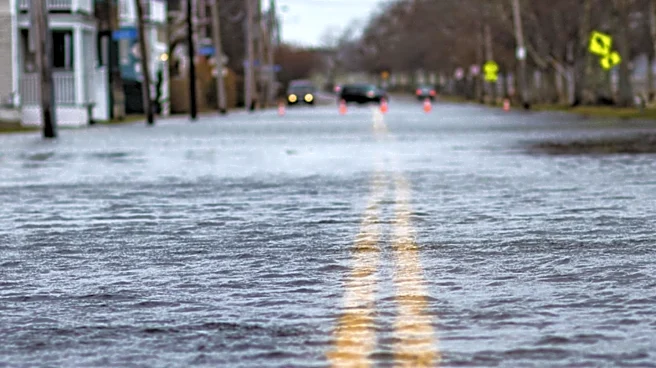
Las Cruces, New Mexico, is currently under a flood watch as the autumnal equinox marks the official start of fall. The region is expected to experience continued rainfall throughout the first week of autumn. Looking ahead, the Farmers' Almanac forecasts
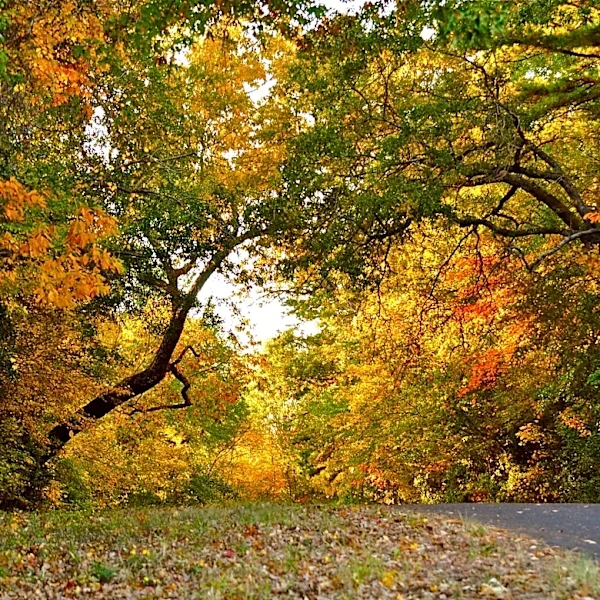
a wet winter for southern New Mexico. This weather pattern aligns with broader predictions for the south-central region, which includes New Mexico, Texas, Oklahoma, Arkansas, and Louisiana, anticipating thunderstorms to initiate the fall season, followed by windier conditions towards the end of the month. The equinox, derived from Latin words meaning 'equal night,' signifies a period of nearly equal daylight and darkness, contrasting with solstices that mark the longest or shortest days of the year. Days will progressively shorten until the winter solstice in December.
Why It's Important?
The predicted wet weather and flood watch in Las Cruces carry significant implications for local residents, infrastructure, and the regional economy. Increased rainfall can lead to flash flooding, posing risks to property and public safety, and potentially disrupting daily life and transportation. For agriculture, a wet winter, as forecasted by the Farmers' Almanac, could be a mixed blessing; while it might replenish water reserves crucial for irrigation in an arid region, excessive moisture could also lead to crop damage or delays in planting cycles. Local emergency services will need to remain vigilant and prepared for potential flood-related incidents. Furthermore, the consistent focus on weather patterns highlights the growing impact of climate variability on communities, necessitating adaptive strategies for urban planning and resource management in New Mexico.
What's Next?
Residents of Las Cruces and the broader southern New Mexico region should prepare for ongoing wet conditions and potential flooding in the immediate future, particularly during the initial week of fall. Local authorities will likely continue to issue weather advisories and flood warnings as needed. Emergency management agencies will monitor water levels and infrastructure to mitigate risks. Looking further ahead, the forecast for a wet winter suggests that water resource managers will need to assess the long-term implications for reservoirs and groundwater supplies. Farmers and agricultural businesses will also need to plan for potential impacts on their operations, adjusting planting schedules or implementing water management strategies to cope with increased precipitation. Public awareness campaigns regarding flood safety and preparedness are also anticipated.
Beyond the Headlines
The recurring theme of significant weather events, such as flood watches and predictions for wet winters, underscores a broader environmental and societal challenge in the U.S. Southwest. While increased precipitation might seem beneficial for drought-prone areas, it can also exacerbate issues like soil erosion, strain aging drainage systems, and alter ecosystems. The reliance on forecasts like the Farmers' Almanac, alongside scientific meteorological data, reflects a community's attempt to anticipate and adapt to changing climate patterns. This situation also highlights the interconnectedness of weather, infrastructure, and local economies, prompting discussions on sustainable urban development, water conservation, and disaster preparedness in the face of increasingly unpredictable climatic conditions. The long-term shifts in regional weather could necessitate significant policy adjustments in water management and land use.