





What's Happening?
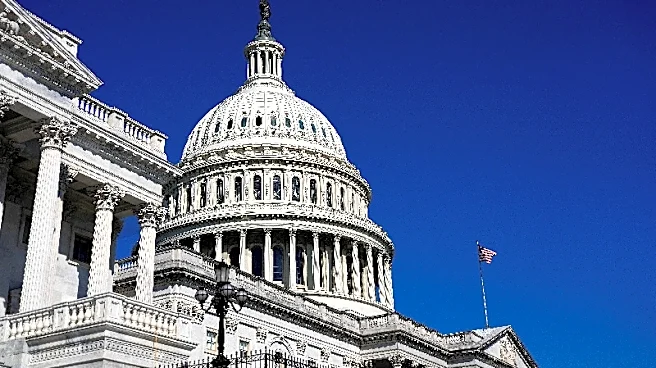
Senate Republicans have postponed a vote on a $72 billion reconciliation package intended to fund federal immigration agencies. The delay comes after significant opposition from within the party regarding a new $1.776 billion 'anti-weaponization' fund established
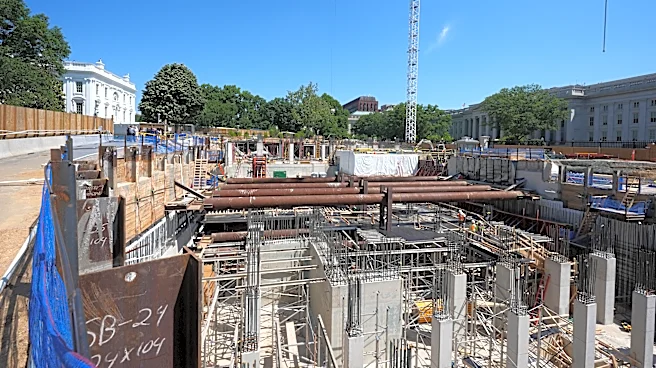
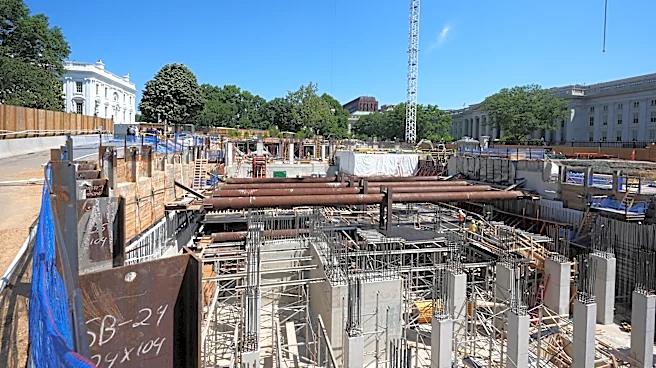
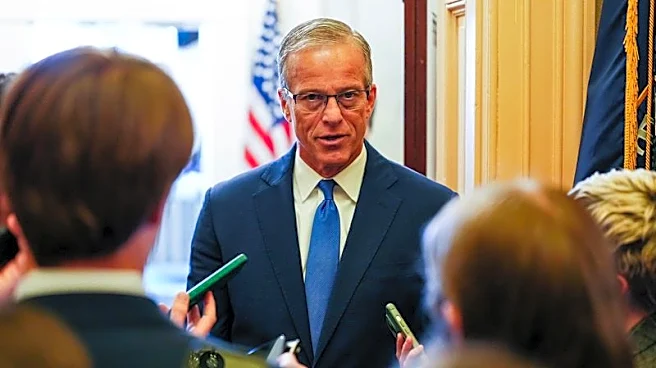
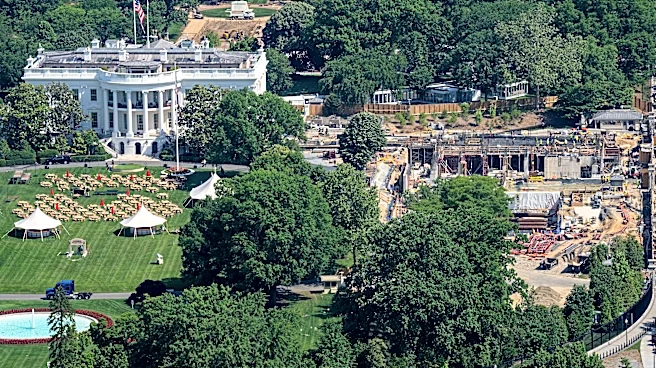
by the Department of Justice. This fund, part of a settlement involving President Trump, has been criticized by both Democrats and some Republicans for lacking oversight and potentially benefiting Trump allies. The reconciliation package also includes controversial funding for Secret Service security and a White House ballroom, which has further complicated its passage. Senate Majority Leader John Thune indicated that the Senate would revisit the bill after the Memorial Day recess.
Why It's Important?
The delay in passing the reconciliation bill highlights internal divisions within the Republican Party and raises questions about the influence of President Trump on current legislative priorities. The controversy over the DOJ fund underscores concerns about transparency and accountability in government spending, particularly when linked to high-profile political figures. The outcome of this legislative process could impact the funding and operation of key immigration agencies like ICE and Border Patrol, affecting national immigration policy and enforcement. Additionally, the situation reflects broader tensions between the executive branch and Congress over budgetary control and oversight.
What's Next?
The Senate is expected to revisit the reconciliation package after the Memorial Day recess, with potential amendments to address the concerns raised about the DOJ fund and other contentious elements. The outcome will depend on negotiations within the Republican Party and between Congress and the White House. The delay also sets the stage for further political maneuvering, as lawmakers seek to balance party loyalty with public accountability. The resolution of this issue will likely influence future legislative strategies and the relationship between the legislative and executive branches.