







What's Happening?
The Department of Justice has announced charges against 17 individuals for allegedly stealing over $1.3 million in Social Security benefits. Assistant Attorney General Colin McDonald stated that the Social Security Administration's benefit programs are
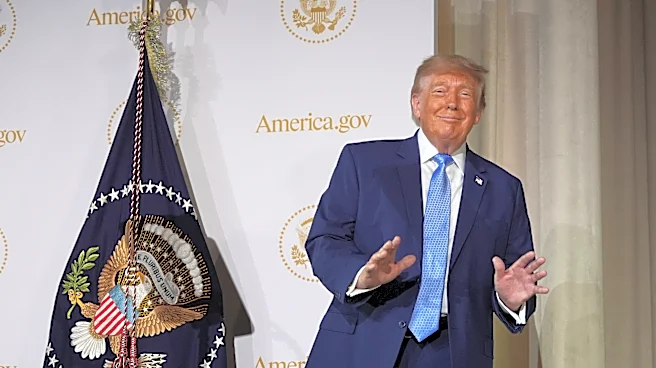
intended to protect the elderly and vulnerable, not to be exploited by fraudsters. One notable case involves a woman from Chicago accused of keeping her deceased mother's body in a freezer while collecting her retirement benefits. McDonald emphasized that every dollar stolen deprives retirees of funds for medicine, meals, or housing, and these cases represent a fraction of the fraud being actively pursued. Social Security Administrator commissioner Frank Bisignano attributed these efforts to the work of President Trump and Vice President JD Vance in combating fraud within the U.S. government. He affirmed that the Social Security Administration is committed to aggressively pursuing fraud, safeguarding taxpayer dollars, and protecting Social Security.
Why It's Important?
This crackdown on Social Security benefit fraud is important because it directly impacts the financial stability and trust in a critical social safety net program for millions of Americans. The Social Security system provides essential income for retirees, disabled individuals, and survivors, and fraudulent activities erode its resources and public confidence. The alleged theft of over $1.3 million highlights the vulnerability of these programs to exploitation, underscoring the need for robust enforcement. Protecting these funds ensures that legitimate beneficiaries, many of whom rely on these benefits for basic necessities like healthcare, food, and housing, receive the support they are entitled to. The involvement of high-level government officials like President Trump and Vice President Vance in prioritizing anti-fraud efforts signals a significant commitment to maintaining the integrity of federal programs and protecting taxpayer money. This initiative aims to deter future fraudulent activities and reinforce the security of Social Security benefits for current and future recipients.
What's Next?
The Department of Justice will proceed with the prosecution of the 17 individuals charged in this fraud scheme. These legal proceedings will determine their guilt and potential penalties, which could include imprisonment and restitution of the stolen funds. The Social Security Administration, in conjunction with the Department of Justice, is expected to continue its aggressive pursuit of fraud cases, indicating an ongoing commitment to identifying and prosecuting those who exploit federal benefit programs. This effort may involve enhanced investigative techniques, increased inter-agency cooperation, and public awareness campaigns to prevent future fraud. The focus on safeguarding taxpayer dollars and protecting Social Security suggests that similar anti-fraud initiatives will remain a priority for the current administration, potentially leading to more charges and recoveries in the future. The outcome of these cases could also inform policy discussions on strengthening safeguards within the Social Security system.
Beyond the Headlines
Beyond the immediate financial implications, these fraud cases highlight deeper societal issues related to ethics, vulnerability, and the challenges of administering large-scale government programs. The case of the woman allegedly keeping her mother's body in a freezer to collect benefits points to extreme desperation or a profound disregard for legal and ethical boundaries, raising questions about the social and psychological factors that drive such acts. The broader effort to combat fraud in Social Security also touches upon the delicate balance between ensuring access to benefits for those in need and preventing abuse. It underscores the constant tension between maintaining an efficient system and implementing stringent controls that do not unduly burden legitimate beneficiaries. The success of these anti-fraud measures could influence public perception of government efficiency and accountability, potentially fostering greater trust in federal programs or, conversely, fueling debates about the extent of government oversight and individual privacy.