






What's Happening?
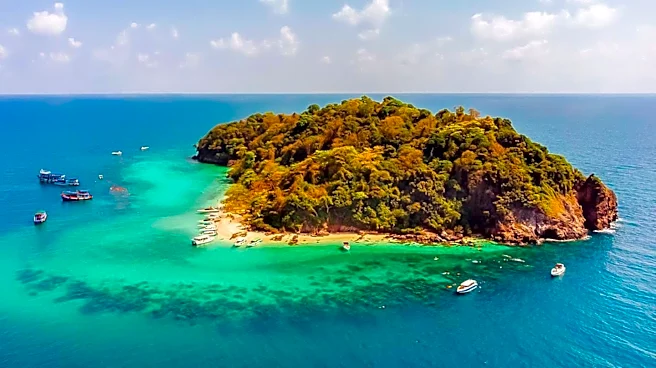
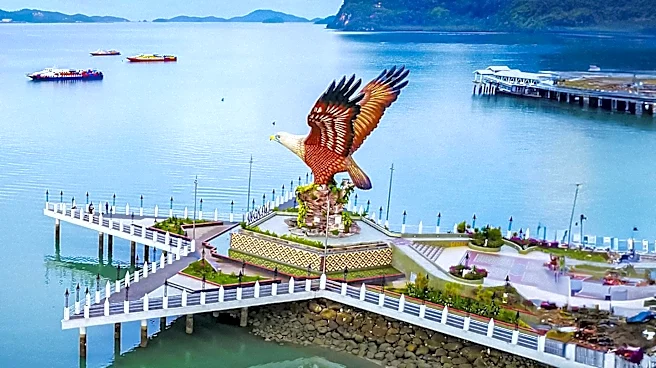
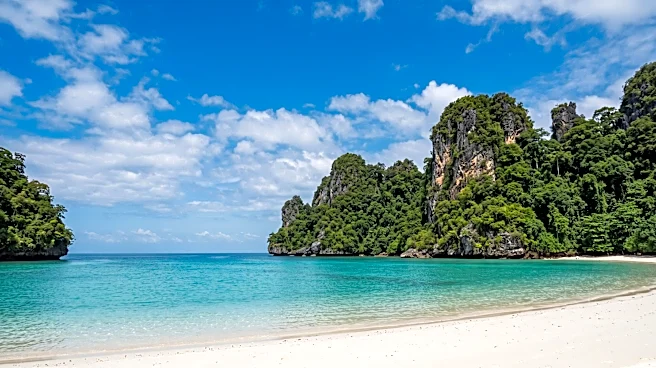
Malaysian social media users are engaging in a trend of 'gatekeeping' their country's tourist destinations by posting comments that jokingly deny the existence of beautiful locations or downplay their appeal. This phenomenon, described as 'playful gatekeeping' by University
of Nottingham professor Joanne Lim, involves comments like 'This is AI-generated' or resurrecting stereotypes such as Malaysians 'living in trees.' While some participants view it as an inside joke, experts like Faizul Nizar Anuar, a senior lecturer at Universiti Putra Malaysia Sarawak, caution that such humor can reinforce outdated stereotypes and deter potential visitors, especially those unfamiliar with the context. Malaysian Inbound Tourism Association president Mint Leong also expressed disagreement with portraying the country negatively, even in jest, as it could be taken at face value by international audiences. The trend reflects a complex interplay of pride in local attractions and underlying concerns about the potential negative impacts of increased tourism, such as congestion, waste, rising prices, and changes to neighborhood character.
Why It's Important?
This social media trend highlights a growing tension between promoting tourism for economic benefit and preserving the quality of life for local residents. While Malaysia aims to attract more international visitors for 'Visit Malaysia 2026,' the 'gatekeeping' phenomenon indicates a grassroots concern about overtourism and poor visitor management. Digital Travel Technology Association president Rohizam Md Yusof distinguishes between overtourism and poor visitor management, suggesting that Malaysia's issue is primarily the latter, leading to congestion in specific areas and peak times. The debate underscores the need for effective tourism management strategies that balance economic gains with environmental and social sustainability. If not addressed, the perceived negative impacts of tourism could lead to genuine anti-tourism sentiments, potentially harming Malaysia's international image and long-term tourism prospects, despite its natural attractions.
What's Next?
Tourism stakeholders in Malaysia are urged to focus on improving visitor and traffic management at popular destinations. Mint Leong suggests that social media could be utilized to educate visitors on responsible behavior and to promote lesser-known destinations, thereby distributing tourist traffic more evenly. The Tourism, Arts and Culture Ministry's National Tourism Policy 2020-2030 already includes strategies for sustainable tourism, such as strengthening community-based tourism and diversifying tourism products. The ongoing discussion around 'gatekeeping' may prompt authorities to engage more directly with local communities to understand their concerns and integrate their perspectives into tourism planning. The challenge will be to leverage social media's reach for positive promotion while addressing the underlying issues that fuel local anxieties about tourism's impact.
Beyond the Headlines
The 'gatekeeping' trend in Malaysia reflects a broader global conversation about the impact of social media on travel and local communities. It illustrates how online humor can serve as a subtle, yet powerful, form of social commentary, allowing individuals to express genuine concerns without making overtly serious statements. This phenomenon also touches upon the concept of 'authenticity' in travel, as locals grapple with their homes becoming curated experiences for outsiders. The tension between showcasing a destination's beauty online and protecting it from the consequences of mass tourism is a complex ethical dilemma. It calls for a more nuanced approach to destination marketing that respects local sentiments and prioritizes sustainable practices over sheer visitor numbers, ensuring that the benefits of tourism are shared equitably and its negative impacts are mitigated.