


What's Happening?
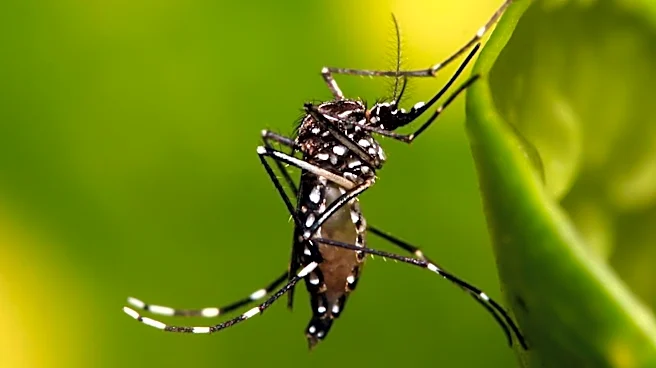
The Virginia Department of Health has confirmed the state's first locally acquired case of dengue, a mosquito-borne viral disease. The infected individual had not traveled internationally but was in contact with another resident who had recently returned
from overseas with dengue. Health officials believe a local mosquito transmitted the virus from the traveler to the second patient. The case highlights the increasing presence of mosquito-borne diseases in non-endemic U.S. states, driven by factors such as warming temperatures, international travel, and urbanization.
Why It's Important?
The emergence of locally acquired dengue cases in the U.S. signals a shift in the geographic distribution of mosquito-borne diseases, traditionally associated with tropical regions. This development underscores the need for enhanced mosquito surveillance and control measures in the U.S. to prevent outbreaks. The lack of specific treatments for dengue, chikungunya, and West Nile virus further emphasizes the importance of preventive strategies. Public health agencies must strengthen infrastructure and funding to address the growing threat of mosquito-borne diseases.
What's Next?
Public health officials are likely to encounter more imported dengue cases as global outbreaks continue. Strengthening mosquito surveillance and control programs, along with public education on preventive measures, will be crucial in mitigating the risk of local transmission. Researchers and policymakers may explore innovative solutions, such as genetically modified mosquitoes or new insecticides, to combat the spread of these diseases.