


What's Happening?
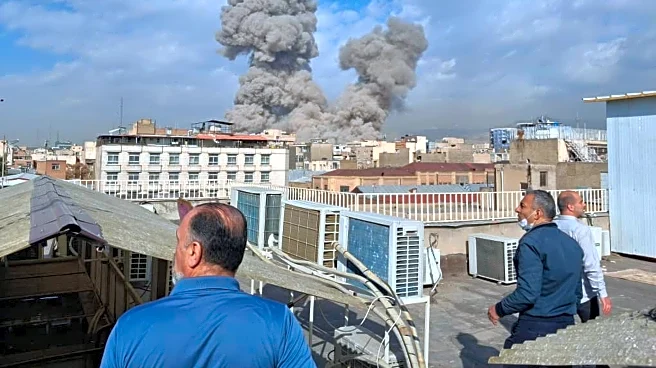
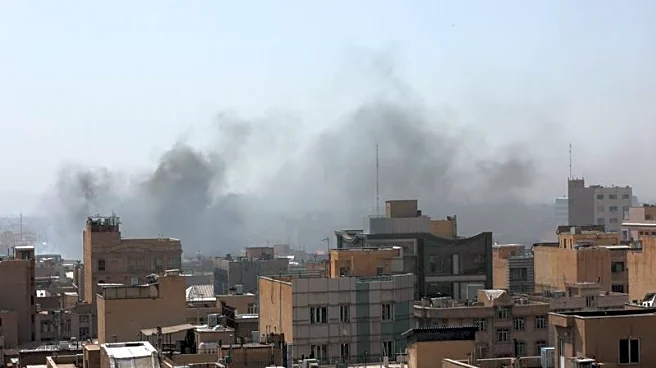
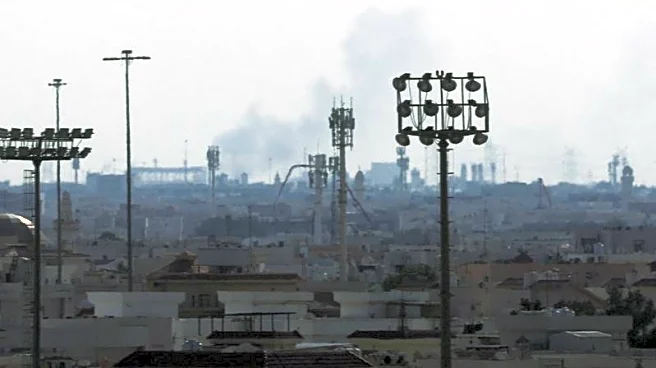
The recent military strikes on Iran by the United States and Israel have sparked a range of international reactions, underscoring geopolitical divisions. Key U.S. allies in Europe, including Germany, Britain, and France, have distanced themselves from
the attacks, emphasizing their previous calls for Iran to halt its nuclear and ballistic missile programs. While these countries did not participate in the strikes, they condemned Iran's actions in the region and urged for a resumption of negotiations. French President Emmanuel Macron called for an urgent United Nations Security Council meeting, although the U.S.'s veto power limits potential actions. The U.N. Secretary General, António Guterres, condemned all military actions, warning of the risk of a wider regional conflict. Russia and China, Iran's significant partners, expressed strong condemnation of the U.S. actions, with Russia labeling them as unprovoked aggression. Meanwhile, Arab countries, particularly Saudi Arabia, condemned Iran's retaliatory attacks on Gulf states, emphasizing regional security concerns.
Why It's Important?
The international response to the U.S. and Israeli strikes on Iran highlights the complex geopolitical landscape and the potential for escalating tensions in the Middle East. The lack of unified condemnation from Western allies suggests a nuanced stance that balances diplomatic relations with the U.S. and concerns over Iran's regional activities. The situation poses significant risks for regional stability, with potential impacts on global oil markets and international security. The differing reactions from major powers like Russia and China indicate a broader geopolitical contest, with implications for international alliances and diplomatic strategies. The U.N.'s call for de-escalation underscores the urgency of preventing further conflict, which could have severe humanitarian and economic consequences.
What's Next?
The immediate future may involve diplomatic efforts to de-escalate tensions, with potential negotiations aimed at addressing the underlying issues of Iran's nuclear and missile programs. The U.N. Security Council meeting, although limited by the U.S.'s veto power, could serve as a platform for dialogue. The reactions from Russia and China suggest that these countries may seek to play a more active role in mediating the conflict, potentially influencing future diplomatic alignments. The situation remains fluid, with the possibility of further military actions or retaliations that could alter the geopolitical dynamics in the region.
Beyond the Headlines
The strikes and subsequent international reactions may have long-term implications for U.S. foreign policy and its relationships with both allies and adversaries. The situation could influence the U.S.'s strategic priorities in the Middle East, potentially affecting its military presence and diplomatic engagements. The responses from European allies highlight the challenges of maintaining a cohesive Western stance on Middle Eastern issues, which could impact future transatlantic relations. Additionally, the conflict underscores the ongoing struggle for influence in the region between major powers, with potential shifts in alliances and power dynamics.