









What's Happening?
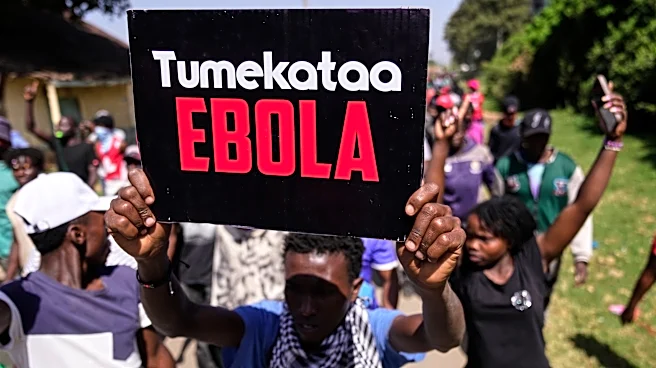
Activists are rallying against significant cuts to U.S. HIV/AIDS funding, which threaten to reverse decades of progress in combating the epidemic. Recent federal policy changes include restrictions on Medicaid and proposed budget cuts to the National
Institutes of Health and the Ryan White HIV/AIDS program. These measures could severely impact healthcare access for millions of Americans living with HIV. Activists are employing a mix of traditional and new tactics, such as lobbying, public demonstrations, and legal challenges, to oppose these cuts and advocate for continued support for HIV/AIDS programs.
Why It's Important?
The proposed funding cuts could have devastating effects on the healthcare infrastructure supporting HIV/AIDS patients, particularly those reliant on Medicaid and other federal programs. Reductions in funding could lead to increased infection rates and hinder efforts to control the epidemic. The activism surrounding these cuts highlights the ongoing struggle to maintain healthcare access and support for marginalized communities disproportionately affected by HIV/AIDS. The outcome of this advocacy could set a precedent for future public health funding and policy decisions.
What's Next?
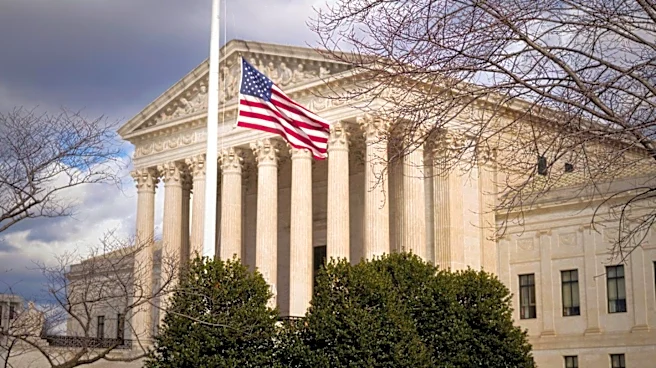
Activists are expected to continue their efforts to influence policymakers and prevent the proposed cuts from being implemented. Legal challenges to the funding freeze and Medicaid restrictions are likely to proceed, potentially reaching the Supreme Court. The ongoing advocacy will focus on preserving existing programs and securing future funding to ensure continued progress in the fight against HIV/AIDS. The response from Congress and the administration will be critical in determining the future of these programs.