


What's Happening?
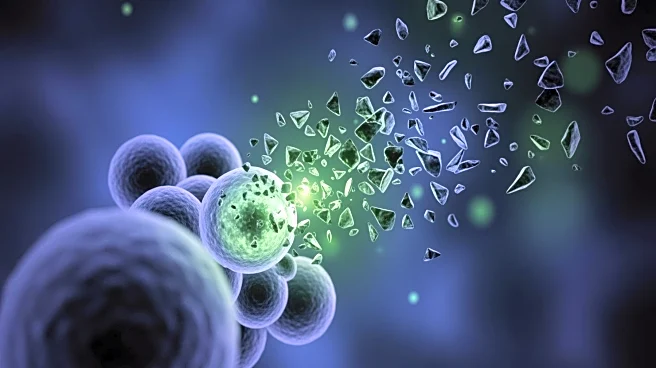
A recent study involving an international team of over 30 researchers has uncovered that remnants of the COVID-19 virus, described as 'zombie' fragments, continue to affect the immune system by targeting specific immune cells. These fragments, which remain
after the virus is destroyed in the body, are believed to contribute to the inflammation and immune cell destruction seen in long COVID patients. The study highlights that these viral fragments preferentially suppress cells with certain membrane curvatures, including dendritic cells and T cells, which are crucial for immune response. The research also notes that the Omicron variant of COVID-19 breaks down into a greater variety of protein fragments compared to previous strains, potentially explaining its high infectivity but lower severity. Despite the perception that the pandemic is over, COVID-19 continues to cause significant mortality and long-term health issues in the U.S.
Why It's Important?
The findings of this study are significant as they provide insight into the mechanisms behind long COVID, a condition affecting millions in the U.S. Understanding how these viral fragments impact the immune system can inform treatment strategies and highlight the importance of vaccination to reduce infection rates and subsequent long COVID cases. The study underscores the ongoing public health challenge posed by COVID-19, despite reduced public attention. It also raises awareness about the need for continued research and healthcare support for those suffering from long COVID, which remains a debilitating condition for many.
What's Next?
Further research is needed to explore the full range of effects these viral fragments have on the immune system and to develop targeted therapies to mitigate their impact. Healthcare providers may need to consider these findings when advising patients on vaccination and managing long COVID symptoms. Policymakers and public health officials might use this information to reinforce vaccination campaigns and allocate resources for long COVID research and treatment.