



What's Happening?
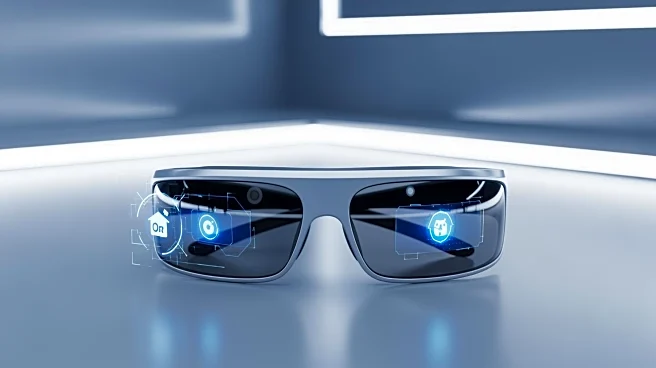
The augmented reality (AR) glasses market is experiencing significant developments as companies like Snap and Meta shift their focus towards consumer-friendly wearables. Snap has announced a roadmap for lightweight AR glasses aimed at mainstream consumers,
expected to launch in 2026. Meanwhile, Meta is reallocating investments towards wearables, enhancing the ecosystem and developer focus. Recent optical engineering breakthroughs promise lighter and clearer AR lenses, potentially increasing daily wear time. These advancements are moving the industry from prototypes to viable consumer options, with several models expected to influence purchasing decisions in 2025.
Why It's Important?
The advancements in AR glasses technology represent a pivotal moment for the industry, as companies transition from niche products to mainstream consumer electronics. This shift could significantly impact how consumers interact with digital content, offering new ways to integrate technology into daily life. The focus on lighter, more affordable devices could democratize access to AR technology, expanding its user base. Additionally, the emphasis on developing robust ecosystems and applications could enhance the functionality and appeal of AR glasses, making them a more integral part of the consumer tech landscape.
What's Next?
As companies prepare for the consumer launch of AR glasses, the market is likely to see increased competition and innovation. The anticipated release of Snap's consumer model and Meta's continued investment in wearables suggest that 2026 could be a breakthrough year for AR technology. Consumers can expect more options and improved features, such as better battery life and enhanced optics. The success of these products will depend on their ability to offer practical and engaging user experiences, which could drive further adoption and integration of AR technology into everyday life.