





What's Happening?
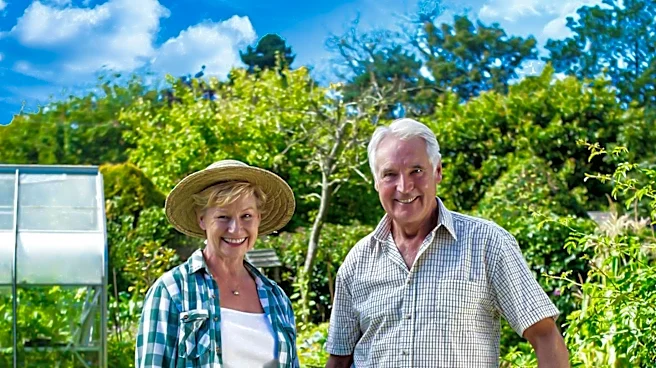
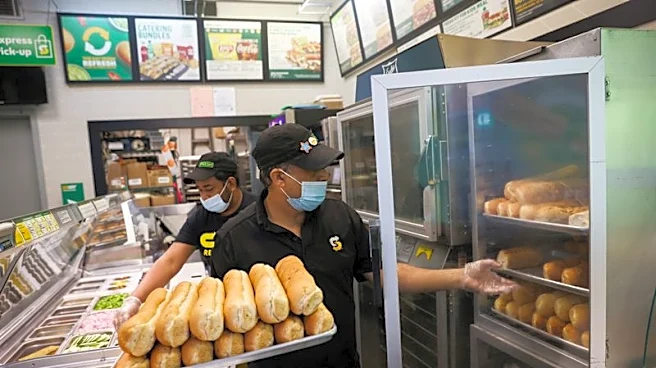
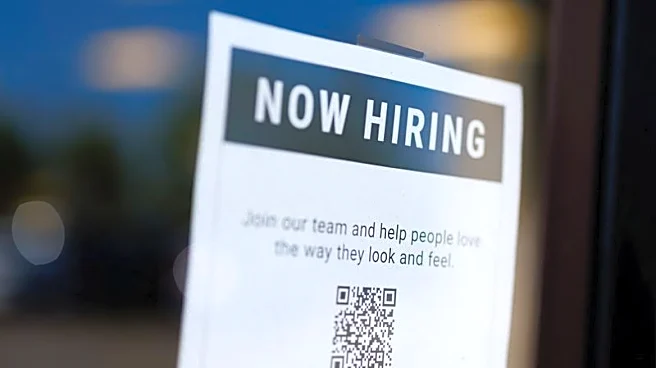
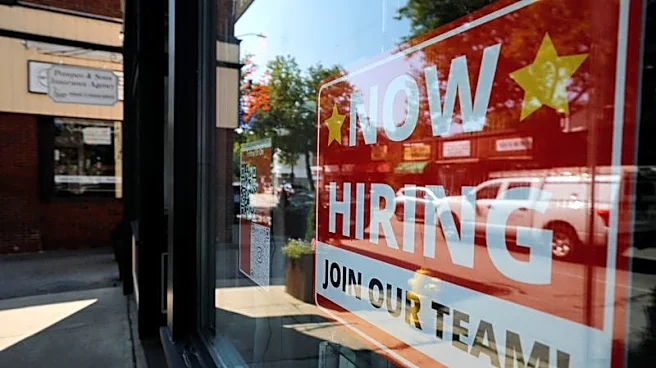
A growing number of U.S. seniors are choosing to remain in the workforce past the traditional retirement age, driven by a combination of financial necessity and a desire for continued engagement. This trend is supported by studies indicating that working
longer can lead to a longer lifespan, improved social interaction, and a sustained sense of purpose. Beyond financial stability, employment offers seniors opportunities to stay current with new technologies, expand their social networks, and maintain better physical and mental health. Many find fulfillment in contributing to their communities and sharing their accumulated wisdom with younger generations, making work a meaningful part of their later years.
Why It's Important?
This shift in retirement patterns has significant implications for the U.S. economy and society. Financially, it can alleviate pressure on social security and retirement systems, as individuals continue to contribute taxes and rely less on benefits. For seniors, continued employment provides a steady income, reducing financial stress and improving their quality of life, especially in times of inflation. Socially, it promotes intergenerational interaction in the workplace, fostering mentorship and knowledge transfer. From a health perspective, staying active and engaged through work can lead to better cognitive function and overall well-being, potentially lowering healthcare costs associated with age-related decline. This trend also challenges traditional perceptions of aging, highlighting the value and capabilities of older workers.
What's Next?
As this trend continues, businesses may increasingly adapt to accommodate older workers, offering more flexible work arrangements, part-time positions, and opportunities for reskilling and upskilling. Policymakers might explore incentives for companies to hire and retain older employees, recognizing their valuable contributions. There could also be a greater focus on promoting lifelong learning and career development programs tailored for seniors. Furthermore, the healthcare sector may see an increased emphasis on preventive care and wellness programs designed to support the health and productivity of an aging workforce. The evolving landscape of work for seniors will likely lead to a more inclusive and age-diverse labor market.
Beyond the Headlines
The decision for seniors to work past retirement age delves into deeper societal values concerning productivity, purpose, and identity. In a culture that often equates self-worth with work, continued employment can provide a crucial sense of relevance and contribution for older adults. This challenges the notion that retirement is solely a period of leisure, instead framing it as an opportunity for continued personal and professional growth. The intergenerational exchange in the workplace can also bridge generational gaps, fostering mutual understanding and respect. Ethically, it raises questions about equitable access to employment opportunities for older individuals and the need to combat age discrimination. Culturally, it could lead to a broader re-evaluation of what it means to age in America, promoting a more active and integrated role for seniors in society.