



What's Happening?
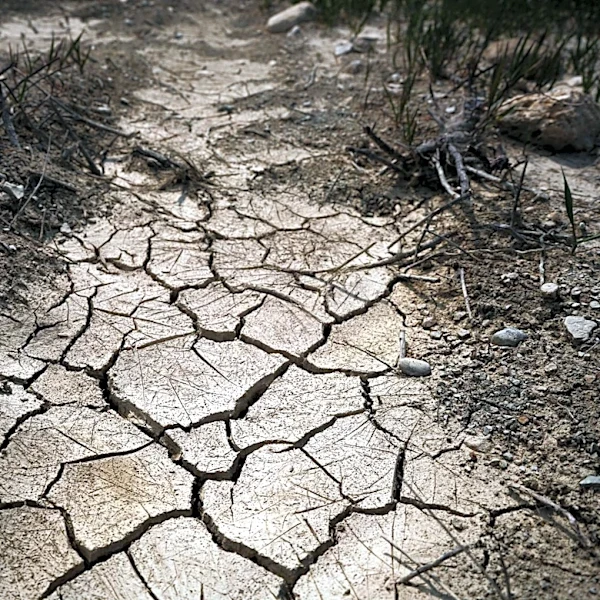
Puerto Rico has announced emergency water rationing measures as a severe drought exacerbates chronic water shortages on the island. The U.S. territory's governor declared a state of emergency, with thousands in the northeast region facing 48-hour water rationing starting
Friday. The water and sewer authority, led by Luis González, attributes the shortages to a lack of rain, although issues began months before the drought. The situation has led to legal action and public protests, with nearly 40,000 residents experiencing water outages last month. The U.S. Drought Monitor reports that 14% of Puerto Rico is under severe drought, affecting 2.3 million of the island's 3.2 million residents.
Why It's Important?
The water crisis in Puerto Rico highlights significant infrastructure challenges and the impact of climate change on vulnerable regions. The lack of investment in water infrastructure has compounded the effects of the drought, leading to severe disruptions in daily life and economic activities. The situation underscores the need for sustainable water management and infrastructure improvements to mitigate future crises. The ongoing drought and water shortages could have long-term implications for public health, economic stability, and social unrest, as residents demand accountability and solutions from local authorities.
What's Next?
The Puerto Rican government and water authorities are under pressure to develop a comprehensive plan to address the water shortages and improve infrastructure. Legislative actions and public hearings are expected to continue as officials seek to understand and resolve the underlying issues. The involvement of the National Guard and potential expansion of rationing measures indicate that the situation may worsen before improvements are seen. Stakeholders, including local communities and legislators, are likely to push for increased transparency and investment in water infrastructure to prevent future crises.