







What's Happening?
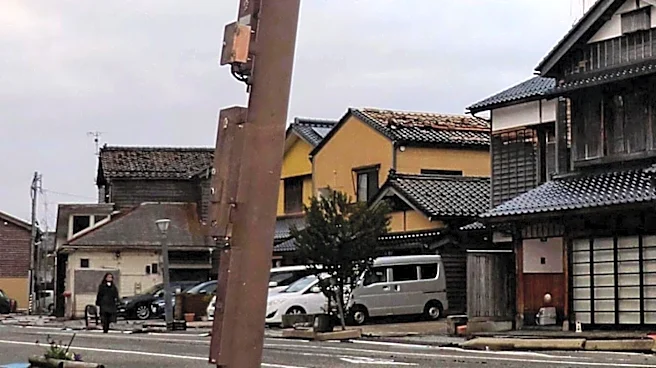
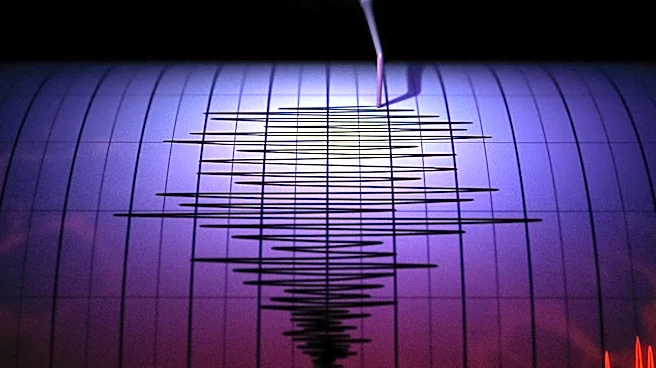
A preliminary magnitude 5.7 earthquake struck central Japan on Sunday, resulting in over 20 injuries across the Aichi and Shizuoka prefectures. The tremor occurred around 1:00 AM local time in the western part of Shizuoka prefecture, at a depth of approximately
40 kilometers. The Japan Meteorological Agency reported that the earthquake registered a magnitude of 5 out of 7 on the Japanese seismic intensity scale in Aichi. Significant tremors, exceeding an intensity of 5, were also recorded in Shizuoka, Nagano, and Gifu prefectures. At this intensity level, most individuals find it challenging to walk without support, and unsecured furniture may overturn. In Aichi prefecture alone, at least 20 people sustained injuries, with 12 requiring hospitalization due to falls. Train services were temporarily suspended for safety checks but have since resumed, though some delays persist. The Hamaoka nuclear power plant in Shizuoka reported no anomalies following the earthquake.
Why It's Important?
While this event occurred in Japan, it highlights the ongoing seismic activity in the Pacific Ring of Fire, a region prone to frequent earthquakes and volcanic eruptions. For the U.S., particularly its West Coast, understanding and monitoring such events is crucial due to shared geological characteristics and the potential for tsunamis generated by large offshore earthquakes. Although this specific earthquake did not trigger a tsunami affecting the U.S., it serves as a reminder of the importance of robust early warning systems and disaster preparedness protocols. U.S. scientific agencies, such as the U.S. Geological Survey (USGS), continuously monitor global seismic activity, and data from events like this contribute to improving earthquake prediction models and structural engineering standards, which have direct implications for infrastructure resilience in earthquake-prone U.S. regions. Furthermore, disruptions to global supply chains, though not directly impacted by this event, can arise from significant natural disasters in key industrial nations like Japan, indirectly affecting U.S. businesses and consumers.
What's Next?
Following the earthquake, authorities in Japan will continue to assess the full extent of the damage and provide support to those affected. Emergency services will remain on alert for potential aftershocks, which are common after seismic events. Infrastructure inspections, particularly for transportation networks and critical facilities, will be ongoing to ensure public safety and operational integrity. For the U.S., seismic research institutions will likely analyze the data from this earthquake to refine their understanding of tectonic plate movements and earthquake mechanics. This ongoing research contributes to long-term hazard assessments and preparedness strategies for U.S. communities at risk of seismic activity. International cooperation in disaster response and scientific data sharing will also continue, fostering a global approach to mitigating the impacts of natural disasters.
Beyond the Headlines
This earthquake, while moderate in magnitude, underscores the persistent vulnerability of highly populated and industrialized regions to natural disasters. Beyond the immediate physical damage and injuries, such events can have broader psychological impacts on affected populations, leading to increased anxiety and stress. For Japan, a nation with extensive experience in earthquake preparedness, this event serves as another test of its resilient infrastructure and public awareness campaigns. For the U.S., it reinforces the need for continuous investment in earthquake-resistant building codes, public education on safety procedures, and the development of advanced early warning systems. The economic ripple effects of even moderate seismic events can be significant, impacting local businesses and potentially broader supply chains if critical infrastructure is compromised. This event also highlights the role of international scientific collaboration in advancing seismology and disaster mitigation strategies globally, benefiting all nations situated in seismically active zones.