






What's Happening?
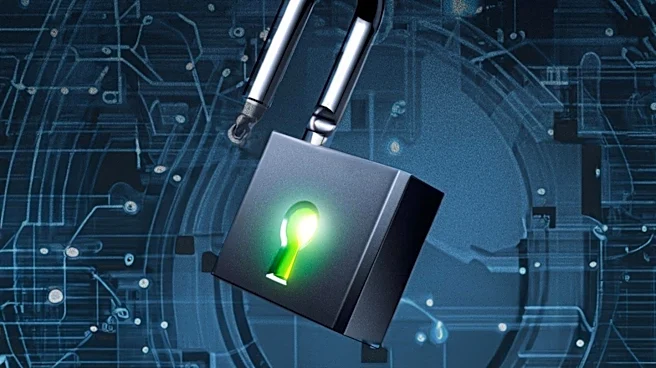
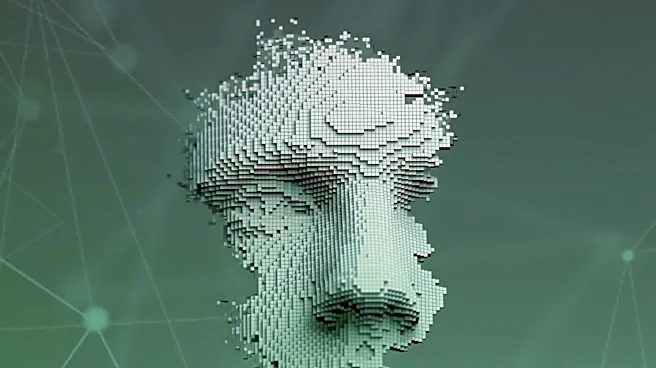
Recent developments in cybersecurity have raised concerns about the use of AI and privacy violations. Influencers and content creators have reported their work being stolen by AI copycat accounts on platforms like Instagram and YouTube. Meanwhile, Google
plans to increase its security patch cadence for Chrome to address vulnerabilities more swiftly. Additionally, a new remote access trojan, MedusaHVNC, has been discovered, which allows attackers to control systems without user knowledge. These incidents underscore the challenges posed by AI in cybersecurity and the ongoing battle to protect user privacy and data integrity.
Why It's Important?
The rise of AI in cybersecurity presents both opportunities and challenges. While AI can enhance security measures, it also enables more sophisticated attacks, as seen with the MedusaHVNC trojan. The theft of content by AI-driven accounts highlights the need for stronger intellectual property protections and platform accountability. Google's proactive approach to security updates reflects the industry's recognition of the need for rapid response to emerging threats. These developments emphasize the importance of balancing technological advancement with robust security measures to protect users and maintain trust in digital platforms.
What's Next?
As cybersecurity threats evolve, companies and regulators will need to adapt their strategies to address new challenges. This may involve developing more advanced AI-driven security solutions and implementing stricter regulations to protect user data and privacy. Collaboration between tech companies, governments, and cybersecurity experts will be crucial in creating a secure digital environment. Users will also need to remain vigilant and informed about potential threats to safeguard their personal information. The ongoing dialogue around AI and privacy will likely shape future policies and innovations in the cybersecurity landscape.