
What's Happening?
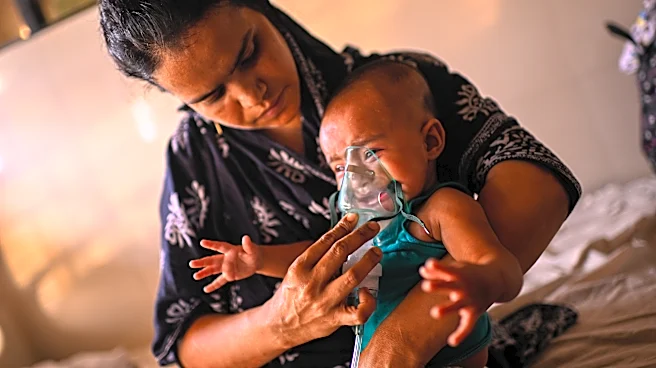
Bangladesh is undertaking an emergency vaccination campaign to combat a measles outbreak that has resulted in over 100 child fatalities. The government, in collaboration with the World Health Organization,
UNICEF, and the Gavi vaccine alliance, is targeting children aged six months to five years in 18 high-risk districts, with plans to expand the initiative nationwide. The outbreak has highlighted significant immunity gaps, particularly among zero-dose and under-vaccinated children, and has raised concerns about infections in infants under nine months who are not eligible for routine vaccination. The resurgence of measles cases, with over 900 confirmed among 7,500 suspected cases, underscores the need for widespread immunization to prevent further spread.
Why It's Important?
The measles outbreak in Bangladesh underscores the critical importance of maintaining high vaccination coverage to prevent infectious diseases. The situation reveals vulnerabilities in public health infrastructure, particularly in managing vaccine stockpiles and ensuring consistent immunization efforts. The outbreak poses a significant threat to young children, who are most susceptible to severe complications from measles. The emergency vaccination drive aims to close immunity gaps and protect vulnerable populations, highlighting the need for robust health policies and international cooperation in disease prevention. The campaign's success could serve as a model for other nations facing similar challenges.
What's Next?
Bangladesh plans to expand the emergency vaccination campaign nationwide in phases, aiming to reach all children within the targeted age group. The government is also advising parents to seek hospital care for suspected measles cases to ensure proper treatment. The initiative may prompt further international support and collaboration to strengthen Bangladesh's healthcare system and prevent future outbreaks. Monitoring the campaign's progress and effectiveness will be crucial in assessing the country's ability to manage public health crises and improve vaccination coverage.
Beyond the Headlines
The measles outbreak in Bangladesh highlights broader issues of healthcare access and equity, particularly in developing countries. The disparities in vaccination coverage reflect systemic challenges in reaching marginalized communities and ensuring consistent healthcare delivery. Addressing these gaps requires comprehensive strategies that include education, infrastructure development, and policy reforms. The situation also raises ethical considerations regarding the responsibility of governments to protect public health and the role of international organizations in supporting vulnerable nations.