






What's Happening?
Mark Aaron Gatz, an Arizona resident, has pleaded guilty to violating federal fire restrictions and unlawfully using national forest land as a residence. Gatz was arrested on June 25 at his makeshift campsite in the Tonto National Forest, where he had
been living illegally for years. Court records indicate that Gatz amassed approximately 1,000 pounds of trash around his campsite. He was sentenced to time served and placed on three years of probation following his guilty plea on July 6. The case arose from multiple encounters with U.S. Forest Service officers, who reported that Gatz had six outstanding federal warrants related to previous violations, including maintaining campfires during fire restrictions and constructing unauthorized structures on National Forest System land.
Why It's Important?
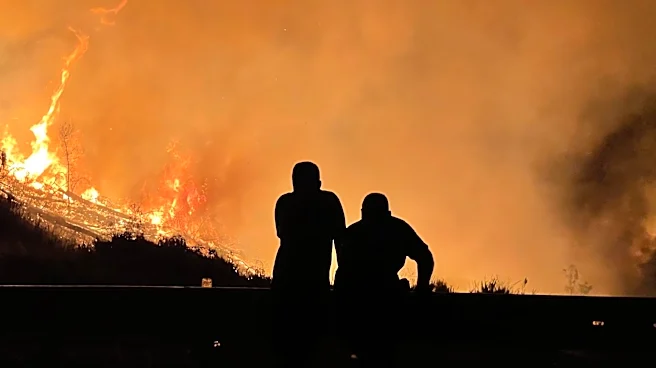
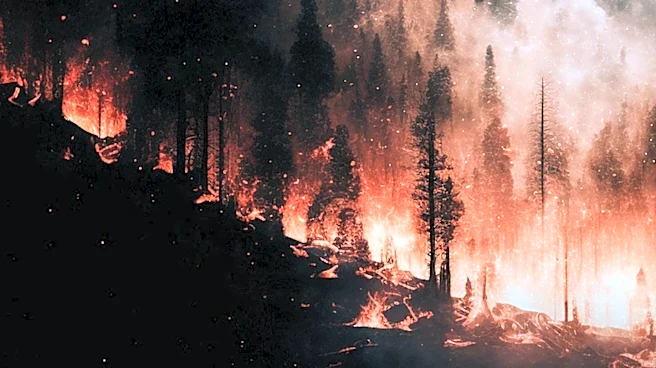
This case highlights the challenges faced by federal authorities in enforcing regulations designed to protect natural resources and public lands. The accumulation of trash and unauthorized structures in national forests can have significant environmental impacts, threatening wildlife habitats and increasing the risk of wildfires. The enforcement of camping restrictions is crucial to preserving these lands for public use and preventing long-term damage. Gatz's case underscores the importance of compliance with federal regulations to ensure the sustainability of national forests and the safety of visitors.
What's Next?
Gatz's probation will likely involve monitoring to ensure compliance with federal regulations and prevent further violations. The U.S. Forest Service may increase patrols and enforcement efforts in the Tonto National Forest to deter similar incidents. Additionally, there may be discussions on improving public awareness of camping regulations and the environmental impact of non-compliance. Stakeholders, including environmental groups and local authorities, may advocate for stricter penalties or increased resources for enforcement to protect national forests.
Beyond the Headlines
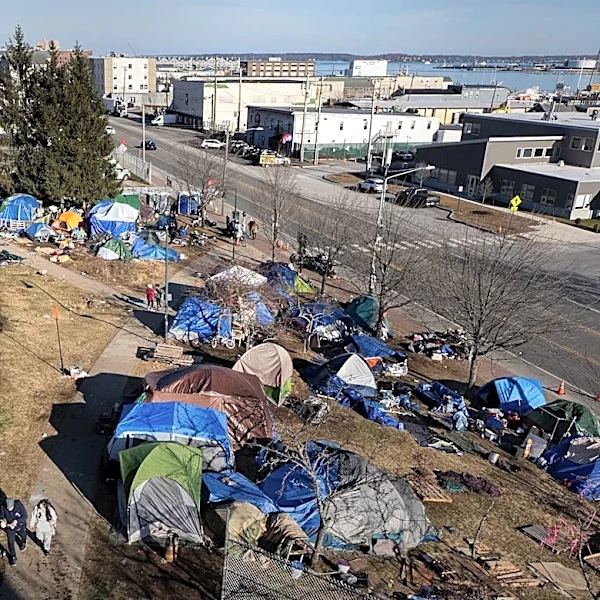
The case raises broader questions about the management of public lands and the balance between accessibility and conservation. It highlights the need for effective communication and education about the rules governing national forests. The incident also reflects broader societal issues, such as homelessness and the lack of affordable housing, which may drive individuals to seek refuge in public lands. Addressing these underlying issues could be key to preventing similar cases in the future.